
Those three tell you most of what the state is about, which is mild everyday cheeses, a few loud ones and a deep bench of makers.
Dairy Farmers of Wisconsin, the state's dairy marketing group, says Wisconsin cheesemakers have won "5,552 awards (and counting)" and describes more than 180 years of cheesemaking heritage (Wisconsin Cheese). The page gives no date for either figure, so treat them as the group's own claims.
Wisconsin cheese at a glance
Wisconsin cheese at a glance means a handful of styles worth knowing. The table lists them with what to expect.
| Cheese | What it is | Taste | Try it with |
|---|---|---|---|
| Colby | Washed-curd cow's milk cheese, 1885 | Mild, sweet, buttery | Burgers, sandwiches, snack boards |
| Brick | Semi-soft, washed with bacteria and brine, 1877 | Mild young, pungent aged | Sandwiches, melting, pizza |
| Limburger | Brine-washed soft cheese | Loud smell, mild paste | Dark rye, raw onion, mustard |
| Pleasant Ridge Reserve | Raw-milk Alpine-style cheese | Caramel, salty, fruity | A board with dark bread and beer |
Colby and Colby-Jack from Wisconsin
Colby is the Wisconsin cheese that most people have eaten without knowing where it came from. Joseph Steinwand developed the cheese in 1885 right outside the city of Colby, using a stirred curd, a cold-water wash and a short aging period of one to three months, according to Dairy Farmers of Wisconsin. The curd is rinsed with cold water, which leaves a moister, milder cheese than cheddar. Colby-Jack marbles orange Colby with pale Monterey Jack.
The details, including the FDA standard, are on the Colby and Colby-Jack page linked in the table. If you are deciding between Colby and cheddar for a sandwich, the Colby vs. cheddar guide compares them.
Brick cheese from Wisconsin
Brick cheese is a Wisconsin invention: Dairy Farmers of Wisconsin says it was first crafted in 1877 by Wisconsin cheesemaker John Jossi and named for the bricks used to press the curds. Brevibacterium linens bacteria are smeared on the rind and washed with a mix of water and whey, which builds the rind and its flavor. Young brick is mild with a touch of nuttiness. Aged brick turns pungent and tangy.
The same source suggests slicing it for sandwiches, melting it with polenta or using it on pizza. The brick profile linked in the table has more.
Limburger in Monroe, Wisconsin
Limburger in Monroe, Wisconsin, is made by Chalet Cheese Cooperative, which Travel Wisconsin describes as "the sole producer of Limburger in the United States." Chalet is in Monroe, in south central Wisconsin. Travel Wisconsin gives its founding year as 1885, and says it also makes Baby Swiss, Wisconsin Brick, Swiss and smoked versions of those cheeses, plus a Gouda and Parmesan blend called Alpenaro.
Limburger smells far stronger than it tastes. The smell comes from the bacteria on the rind, and the classic way to eat it is on dark rye with raw onion and mustard.
Wisconsin Master Cheesemakers
Wisconsin Master Cheesemakers are certified through a program that Dairy Farmers of Wisconsin describes as one of only two in the world, and says every American Master Cheesemaker has called Wisconsin home. The page does not give the number of Master Cheesemakers or the requirements, so check the program itself before quoting either.
The label is one more clue on a wrapper, alongside the maker's name. It is a signal of training, not a guarantee that you will like the cheese.
Wisconsin artisan cheese
Wisconsin artisan cheese is led by Pleasant Ridge Reserve, a raw cow's milk, Alpine-style washed-rind cheese made by Uplands Cheese in Dodgeville, only from May to October when the cows graze fresh pasture. It won American Cheese Society Best of Show in 2001, 2005 and 2010, the only cheese to do so three times.
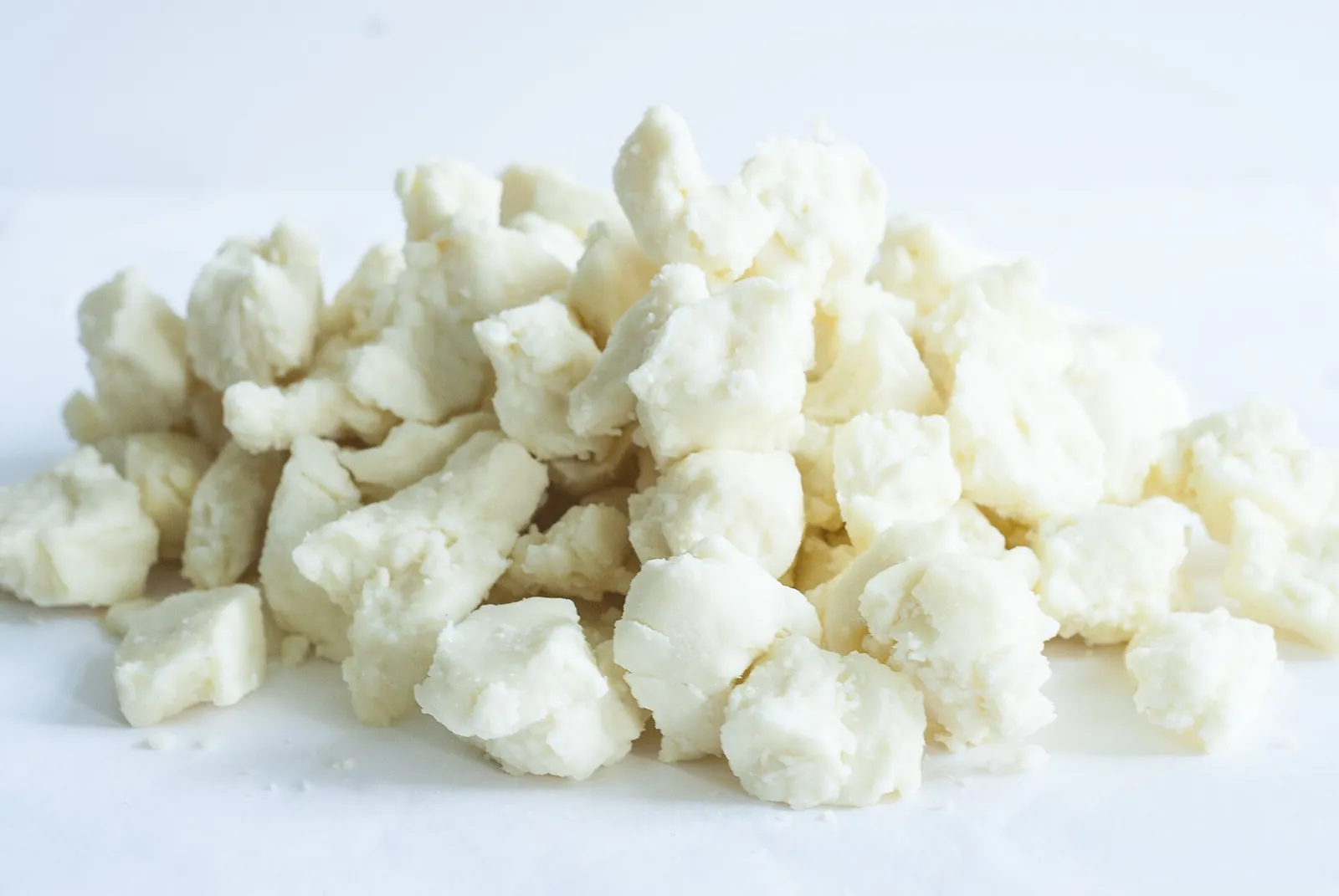
Wisconsin is also famous for fresh cheese curds, eaten young while they still squeak. The cheese curds and poutine guide shows how to make them at home.
How to serve Wisconsin cheese
How to serve Wisconsin cheese depends on the cheese. Eat curds the day you buy them, at room temperature. Slice Colby for sandwiches and burgers. Let Limburger sit out for 30 minutes so it spreads. Wisconsin beer is the natural drink, and the beer and cheese guide explains why beer suits washed rinds.
For a themed board, one example is Colby, a sharp cheddar, brick and Pleasant Ridge Reserve, with mustard, sausage, apples and bread. Plan 1 to 2 ounces of cheese per person as an appetizer.
Wisconsin cheese mistakes
Wisconsin cheese mistakes come from stereotypes. Assuming it is all mild cheddar misses brick, Limburger and the Alpine-style wheels. Assuming Limburger tastes as bad as it smells scares people off a cheese that is creamy inside. And refrigerating curds for a week loses the squeak, so buy them fresh.
Questions about Wisconsin cheese
These questions about Wisconsin cheese are the ones visitors and shoppers ask most.
What cheese was invented in Wisconsin?
The Wisconsin cheeses with documented origins in the state are Colby, from 1885, and brick cheese, first crafted in 1877.
Where is Limburger made in the US?
Limburger is made in the US at Chalet Cheese Cooperative in Monroe, Wisconsin, the only US producer according to Travel Wisconsin.
What is a Wisconsin Master Cheesemaker?
A Wisconsin Master Cheesemaker is a cheesemaker certified through a program that Dairy Farmers of Wisconsin calls one of only two in the world.
What is the best Wisconsin cheese to try first?
The best Wisconsin cheese to try first depends on taste: Colby for mild, brick for something in between and Pleasant Ridge Reserve for a showpiece.
Why is Wisconsin cheese famous?
Wisconsin cheese is famous for its history, its awards, and original cheeses such as Colby and brick.
Try Wisconsin cheese
To try Wisconsin cheese, buy a piece of Colby and a piece of brick, then taste them side by side. Add Pleasant Ridge Reserve if you want the top end. For other states, see the guide to American artisan cheese.
Sources
- Wisconsin Cheese, Dairy Farmers of Wisconsin
- Brick cheese, Dairy Farmers of Wisconsin
- Chalet Cheese Coop, Travel Wisconsin
- Colby cheese, Dairy Farmers of Wisconsin
- 2010 ACS Judging and Competition Winners, American Cheese Society