
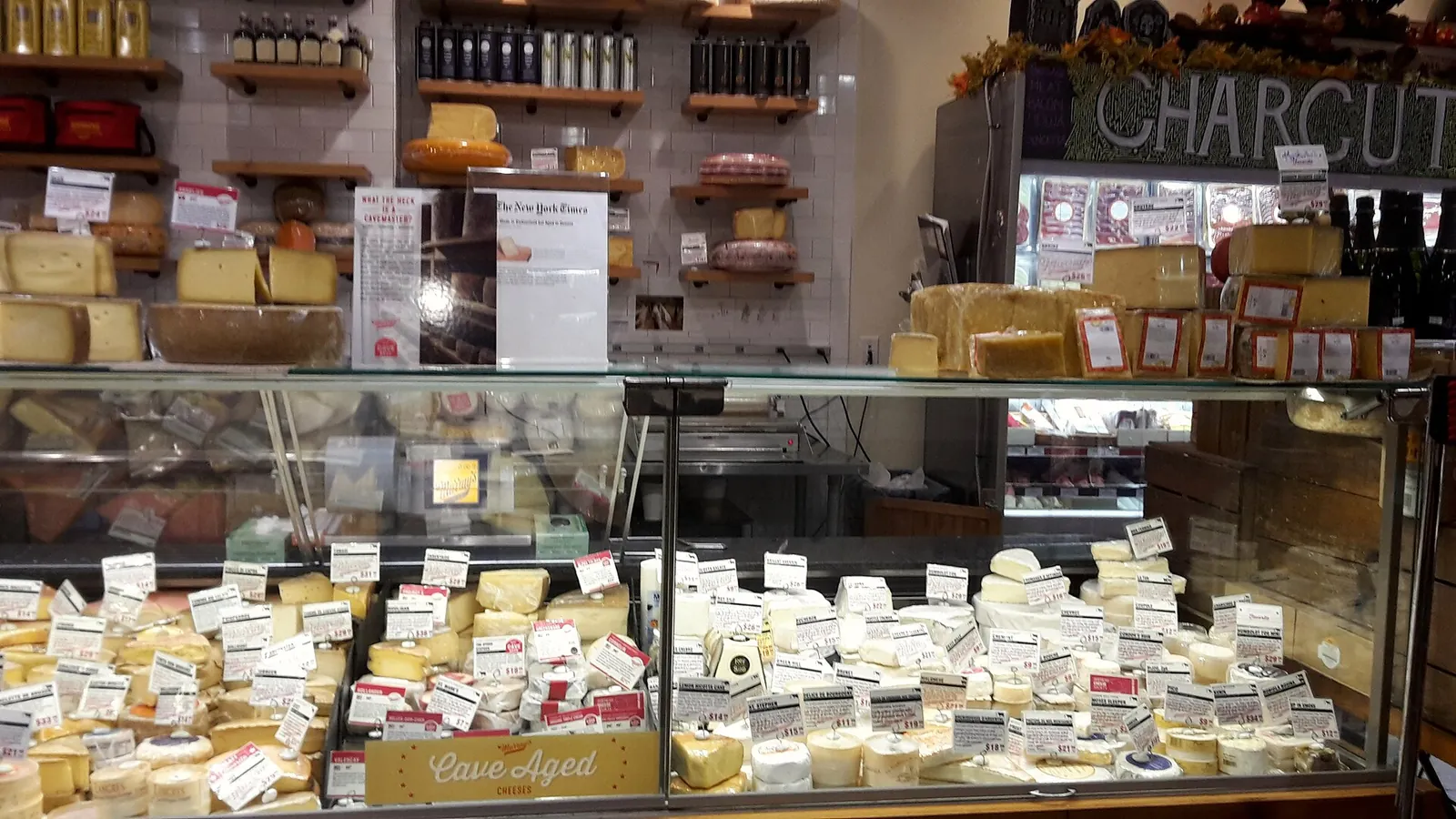
It sits at the opposite end of the shelf from the processed slice, and the best of it is worth the extra few dollars a pound.
The word "artisan" has no legal definition in the US, so the label alone proves nothing. What helps is knowing the makers, the states with the deepest bench, and a short list of cheeses that have earned their reputations.
American artisan cheese and the American Cheese Society
American artisan cheese has a trade body behind it: the American Cheese Society, which says its mission is to provide "educational resources and networking opportunities, while encouraging the highest standards of cheesemaking focused on safety and sustainability." The group reports more than 2,400 members, nearly double its membership of a decade ago, and says cheesemakers are the largest segment at 45% as of December 2025, ahead of retailers at 16% and distributors and brokers at 7% (ACS about page).
Its annual Judging & Competition is the closest thing American cheese has to a national yardstick. When a label says "ACS winner" or "Best in Show," that is the contest being named. The page does not date the founding, so this guide leaves that out.
How the American artisan cheese movement grew
The American artisan cheese movement grew as small producers began making cheese the way European farms did, with local milk and slow aging, instead of competing on price with factory blocks. Some of the oldest names in the story predate the label: Maytag Blue was first made at a dairy farm near Newton, Iowa, on October 11, 1941, according to Maytag Dairy Farms. Cypress Grove, the California creamery behind Humboldt Fog, was established in the 1980s by Mary Keehn, according to The Cheese Atlas.
Today the movement covers nearly every style: farmstead cheddar, Alpine-style wheels, washed rinds, blues, ash-ripened goat cheeses and fresh chèvre. That spread is the reason a single American cheese board can go around the world without leaving the country. For the country-level view, including the factory cheeses, see the United States country page.
Iconic American artisan cheese
Iconic American artisan cheese starts with four wheels that most shops stock or can order. The table gives milk, home state and what to serve with each.
| Cheese | State | Milk | Style | Try it with |
|---|---|---|---|---|
| Humboldt Fog | California | Goat, pasteurized | Soft-ripened, ash line | Honey, figs, Sauvignon Blanc |
| Pleasant Ridge Reserve | Wisconsin | Cow, raw | Alpine-style washed rind | Dark bread, cured meat, amber beer |
| Cabot Clothbound Cheddar | Vermont | Cow, pasteurized | Clothbound cheddar | Apples, mustard, brown ale |
| Maytag Blue | Iowa | Cow | Blue | Honey, walnuts, steak |
Humboldt Fog won first place at the American Cheese Society in 1998, 2002 and 2005. Pleasant Ridge Reserve won ACS Best of Show in 2001, 2005 and 2010, the only cheese to do it three times. Cabot Clothbound Cheddar is made by Cabot Creamery and aged 9 to 14 months by Jasper Hill Farm in Vermont, and Jasper Hill lists an ACS Best in Show from 2006 among its awards.
Other makers worth looking for include Rogue River Blue from Oregon and Cougar Gold, the canned cheddar from Washington State. Check the individual pages for details before you buy.
American artisan cheese by region
American artisan cheese by region is easiest to explore through the states with their own guides. Each has a different strength.
Vermont is known for cheddar and aging. The Vermont cheese guide covers its makers and the Vermont Cheese Council. Wisconsin pairs a huge dairy industry with a Master Cheesemaker program, and the Wisconsin cheese guide covers Colby, brick and Limburger. California gives you goat cheese and Humboldt Fog. Iowa gives you Maytag Blue. Beyond those, ask your cheesemonger what is made within a couple of hours of you. Local cheese tastes better young and costs less in transit.
How to buy American artisan cheese
How to buy American artisan cheese comes down to three habits. Ask for a taste, since a good counter will cut one. Look for the maker's name on the label, not just the style. And buy a wedge by weight, about 1 to 2 ounces per person for an appetizer board.
Pair by style. A tangy goat cheese likes crisp white wine, a blue likes something sweet, and a nutty Alpine-style wheel likes beer or cider. Local beer and cider are a fair default, and the cider and cheese guide shows how.
American artisan cheese myths
American artisan cheese myths start with the biggest one: that American cheese means orange slices. Processed American cheese is one product, and the American cheese explainer covers what it is. It does not describe the rest of the country's cheese.
A second myth is that "artisan" on a label guarantees quality. It does not, because the word has no legal definition. A third is that raw-milk cheese is rare and risky by default. Pleasant Ridge Reserve is made from raw milk, and the FDA's aging rule for raw-milk cheese in the US is 60 days, so check the label and, if you are pregnant or immunocompromised, follow FDA and CDC guidance on soft and raw-milk cheeses.
Questions about American artisan cheese
These questions about American artisan cheese come up most often at the cheese counter.
What counts as American artisan cheese?
American artisan cheese is handmade, small-batch cheese from US makers, but the term is not legally defined, so look at the maker and the method.
What is the American Cheese Society?
The American Cheese Society is a trade group for cheesemakers, retailers and others, with more than 2,400 members, and it runs the annual Judging & Competition.
What are the best American artisan cheeses to try first?
The best American artisan cheeses to try first are Humboldt Fog, Pleasant Ridge Reserve, Cabot Clothbound Cheddar and Maytag Blue.
Where is American artisan cheese made?
American artisan cheese is made across the country, with strong scenes in Vermont, Wisconsin and California and good makers in many other states.
Is American cheese the same as artisan cheese?
American cheese is a processed product, while artisan cheese is handmade and varies by maker, so the two are different things.
Try American artisan cheese
To try American artisan cheese, build a four-wedge board from the table above: one goat, one Alpine-style, one cheddar and one blue. Taste them from mild to strong, and note which state you liked most. Then read that state's guide.
Sources
- About ACS, American Cheese Society
- Our Story, Maytag Dairy Farms
- Humboldt Fog, The Cheese Atlas
- 2010 ACS Judging and Competition Winners, American Cheese Society
- Cabot Clothbound, Jasper Hill Farm