
There is no heating, no culture and no rennet, which makes it the easiest cheese a beginner can try.
What the strainer takes away is whey, and what stays behind is richer and tangier. The labneh page covers the cheese itself, how to buy it and how it compares with Greek yogurt and cream cheese. This page is only the method.
Labneh at a glance
This labneh at a glance table shows the yield and timing for the recipe below.
| Homemade labneh | |
|---|---|
| Yield | About 14 oz (400 g) from 32 oz (907 g) of yogurt |
| Active time | About 10 minutes |
| Total time | 12 to 24 hours, mostly straining in the fridge |
| Best yogurt | Plain, whole milk, short ingredient list |
| Temperature | Strain in the refrigerator at 40°F (4°C) or below |
| Make-ahead | Keeps about a week to 10 days |
How to make labneh
Here is how to make labneh with three ingredients and one piece of cloth. The recipe follows the same ratio as the main page: salt stirred into whole-milk yogurt, then 12 to 24 hours of straining, longer for a firmer cheese.
Ingredients for labneh
These ingredients for labneh are the whole shopping list, plus a strainer and cloth.
- 32 oz (907 g) plain whole-milk yogurt
- 1/2 teaspoon fine salt, plus up to 1/2 teaspoon more to taste
- Olive oil, for serving
- Za'atar or sumac, for serving
- Equipment: a fine-mesh strainer, a large bowl, and a double layer of cheesecloth or a clean thin kitchen towel
Steps for making labneh
These steps for making labneh take about 10 minutes of work and then an unattended night.
- Stir the salt into the yogurt in a bowl until it is evenly mixed. The salt seasons the cheese and helps the whey release.
- Set the strainer over a deep bowl, line it with the damp cheesecloth, and let the edges hang over the sides.
- Spoon the yogurt into the cloth, then fold the edges over the top.
- Put the bowl in the refrigerator, uncovered or loosely covered, and strain for 12 hours for a soft, spreadable labneh like thick cream cheese.
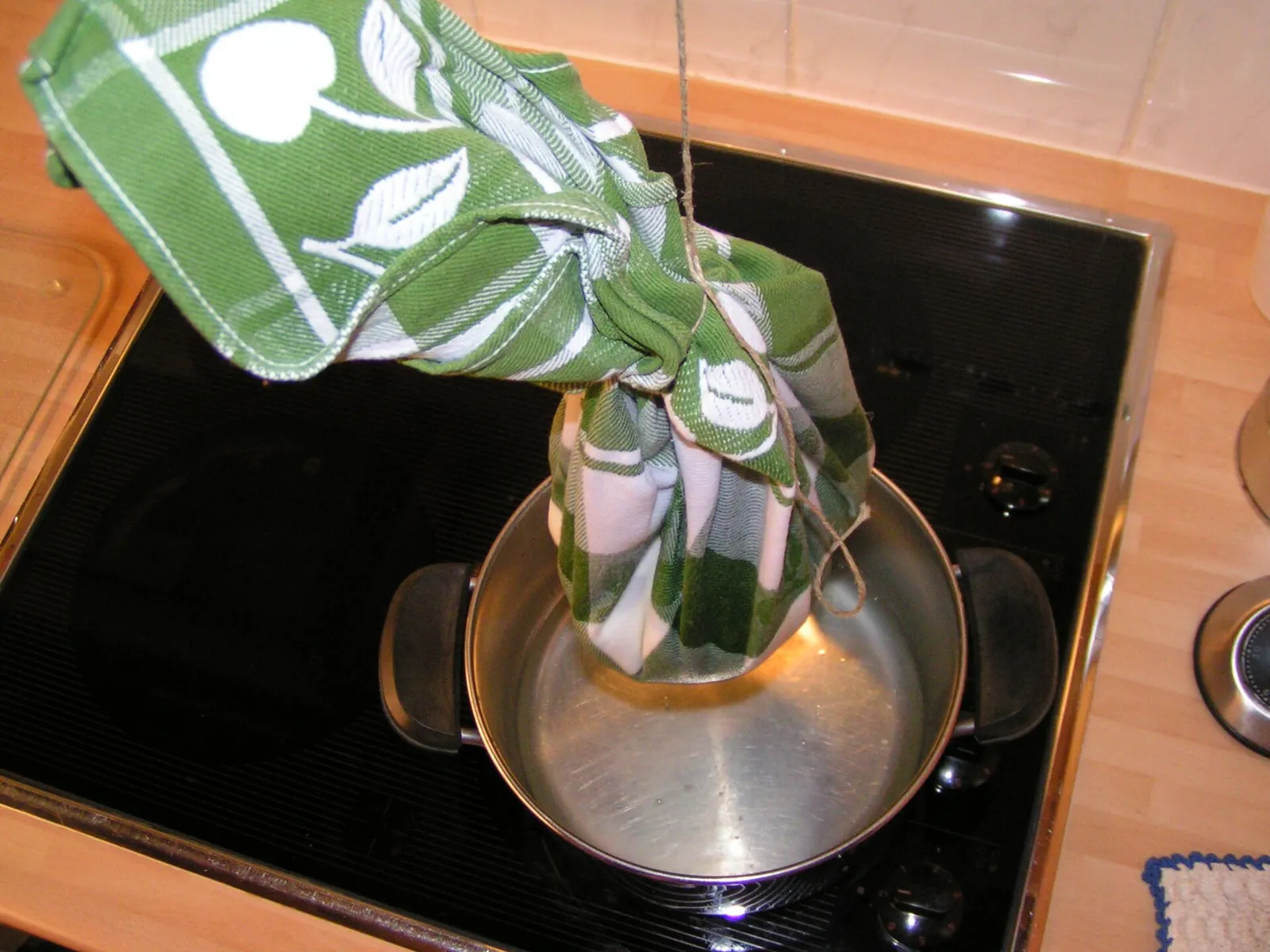
- For a firmer labneh, keep straining up to 24 hours, then tie the corners of the cloth, hang the bundle from a spoon laid across the bowl, and keep it in the fridge until the cheese holds its shape in your hand.
- Pour off the whey, which is thin and cloudy and can go into soup or bread dough, then scrape the labneh into a container with a spatula.
- Taste and stir in a little more salt if you like. Chill covered at 40°F (4°C) or below, and serve it spread on a plate with a swirl of olive oil and a sprinkle of za'atar.
The best yogurt for labneh
The best yogurt for labneh is plain whole-milk yogurt with a short ingredient list, because fat is what turns it silky and the straining does the rest. Nonfat yogurt strains into something chalky and tight, and flavored or sweetened yogurt turns out sweet and sticky.
Greek yogurt is already strained, so it makes a thicker labneh in a few hours, but it also gives a smaller drain and less change in flavor. Many thick yogurts in tubs get their body from added starch, gums or pectin, not from straining; those drain poorly and can turn gummy. If your yogurt has such additives, the cloth will clog and the whey will not come out. A plain yogurt of just milk and cultures is the safest start.
Labneh mistakes and fixes
These labneh mistakes and fixes cover the problems that show up most often, and the biggest one is straining at room temperature.
Straining on the counter. Traditional labneh hangs overnight in a cool kitchen, but warmth shortens its life. A Journal of Dairy Science shelf-life study on labneh strained in cloth bags found it lasted 8.5 to 10.5 days at 41°F (5°C), 4.7 to 5.8 days at 59°F (15°C), and just 2.3 to 2.7 days at 77°F (25°C). Strain in the refrigerator.
It is too sour or too runny. Labneh is only as good as its yogurt, so a very tart or watery tub shows up in the result. Drain longer for a runny batch, and taste the yogurt before you start.
It sticks to the cloth. Dampen the cheesecloth first, and scrape the labneh off with a flexible spatula. A thin cotton towel works if the weave is tight.
It is too firm to spread. Stir in a spoonful of the reserved whey or a teaspoon of olive oil until it loosens.
The cloth leaks curd. Use two layers of cheesecloth, or a fine tea towel, so the solids stay in.
Variations on homemade labneh
Variations on homemade labneh work best on the soft 12-hour version, which takes flavors well.
- Savory dip: stir in minced garlic, lemon zest and chopped mint.
- Sweet bowl: swirl with honey and top with fruit, pistachios or toasted nuts.
- Labneh balls: strain a full 24 hours or longer until firm, roll tablespoon-sized balls, and layer them in a jar with olive oil, thyme and a strip of lemon peel. Keep them cold.
- Spreadable cheese: beat in 2 tablespoons of heavy cream per cup for something close to cream cheese.
Storing labneh you have made
Storing labneh you have made means keeping it cold, covered and clean. The shelf-life study above puts plain bag-strained labneh at about 8.5 to 10.5 days at 41°F, so plan on a week to 10 days and use a clean spoon each time. For fresh cheeses generally, NMSU Extension stresses clean hands and sanitized equipment, and Penn State Extension lists fresh cheeses as made to be eaten within days or weeks. A film of olive oil on top keeps the surface from drying out. Fizzing, a yeasty smell or fuzzy spots mean it is time to throw it away. Labneh balls in oil should stay in the fridge, and the oil does not make them safe at room temperature.
Questions about how to make labneh
These questions cover how to make labneh with different yogurts and how long to strain it.
Can you make labneh from Greek yogurt?
You can make labneh from Greek yogurt, and it strains faster because Greek yogurt is already thick. Plan on 4 to 8 hours in the fridge for a spreadable result.
How long should you strain labneh?
Strain labneh 12 hours for a soft spread and up to 24 hours or longer for a firm cheese that rolls into balls. The longer it hangs, the more whey leaves.
Can you make labneh without cheesecloth?
You can make labneh without cheesecloth by using a clean thin cotton towel, a nut milk bag or a coffee filter set in a strainer. Avoid fuzzy terry cloth, which traps the solids.
Does labneh need to be refrigerated while it strains?
Labneh does need to be refrigerated while it strains, because warm straining shortens its shelf life sharply, as the study above shows. The fridge also gives the cleanest flavor.
Can you make labneh from low-fat yogurt?
You can make labneh from low-fat yogurt, but it comes out drier and less creamy than whole milk. Whole-milk yogurt is the better choice.
Make labneh the next time you buy yogurt
Make labneh the next time you have a tub of plain whole-milk yogurt: salt it, hang it overnight in the fridge, and eat it with olive oil and warm bread. If you like it, try the firm version in oil next, and see yogurt vs cheese for where strained yogurt sits among the cheeses.
Sources
- Determination of shelf life of concentrated yogurt (labneh) produced by in-bag straining of set yogurt using hazard analysis, Journal of Dairy Science, via PubMed
- Making Homemade Cheese (E-216), New Mexico State University Cooperative Extension Service
- Farmstead and Artisan Cheesemaking, Penn State Extension