
One cheese, Imokilly Regato, carries an EU protected name.
This page covers the main Irish cheeses, what the single protected name requires and how to find them in the US.
Irish cheese at a glance
Here is Irish cheese at a glance: the cheeses worth knowing, their milk and style, and whether the name is protected.
| Cheese | Milk | Style | Protected name |
|---|---|---|---|
| Cashel Blue | Cow | Soft, buttery blue from Tipperary | None |
| Coolea | Cow | Gouda-style, from West Cork | None |
| Dubliner | Cow | Hard, between cheddar and an aged Alpine wheel | None |
| Imokilly Regato | Cow | Hard, Italian-style, aged 9 to 12 months | PDO, 1999 |
| Gubbeen, Durrus, Milleens, Ardrahan | Cow | Washed-rind and smear-ripened farmhouse cheeses from Cork | None checked |
Irish cheese tradition
Irish cheese tradition is a newer craft than the English or French ones: the best-known farmhouse names are modern cheeses made by small producers, and many of them are in Cork and Tipperary. The British and Irish cheeses guide lists the farmhouse names, including Gubbeen, Durrus, Ardrahan, Milleens and Cooleeney.
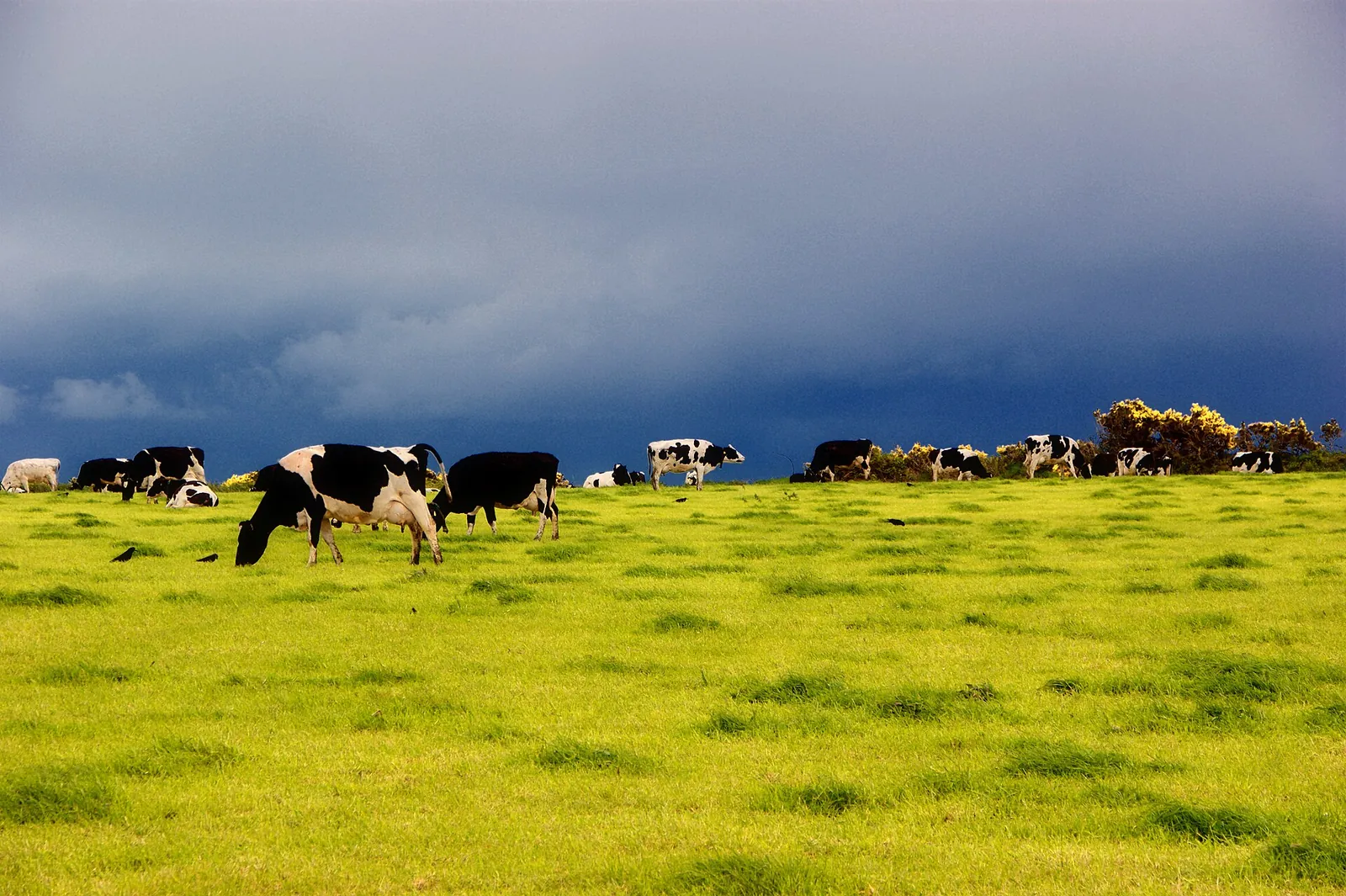
Grass is the common thread. Imokilly Regato, for example, is made from the milk of cows that graze from March to October, which the Culture magazine profile ties to a naturally richer, more yellow milk.
Ireland's cheese industry runs on two scales at once. A 2021 RTE Brainstorm essay describes large dairy companies making cheddar next to tens of small family businesses making farmhouse cheeses.
The Irish cheeses worth knowing
The Irish cheeses worth knowing include one blue, one Gouda-style cheese, one cheddar-style export and the protected Regato.
Cashel Blue
Cashel Blue is a Tipperary cow's milk blue, soft and buttery with a gentle, rounded tang, and it is Ireland's first farmhouse blue. Its profile has the pairings. Gorgonzola, Danish blue and Stilton are the usual substitutes.
Coolea
Coolea is a farmhouse cheese from West Cork in the Gouda style, sweet and caramel-like, with butterscotch notes as it ages. Read the Coolea profile, and for the Dutch cheese that inspired its style see the Netherlands page.
Dubliner
Dubliner is the Irish cheese you are most likely to see in a US supermarket, a hard cheese with cheddar sharpness and the nutty crunch of an aged Alpine wheel. The Dubliner profile covers it, and cheddar is its nearest stand-in.
Imokilly Regato
Imokilly Regato is a hard cow's milk cheese from County Cork, made in the Italian style, and the Culture profile says it is aged 9 to 12 months with a nutty to creamy flavor and a piquant finish. The same source says it got its PDO in 1999, and it describes a slightly dry, crumbly texture. A second source, Wikipedia, says it is made from pasteurized milk by the Imokilly Cheese Company, part of the Dairygold cooperative at Mogeely in Cork, and describes pear, fudge and butter aromas. Regato is a good grating and snacking cheese when you want something between Parmesan and cheddar.
Irish cheese and protected names
Irish cheese is rarely protected: the RTE essay calls Imokilly Regato Ireland's only PDO cheese and blames the long and laborious application process for the gap. That essay is from 2021, so check the register for anything newer.
A PDO ties a cheese's milk and making to a named place, which the PDO and PGI guide explains. For most Irish cheeses the label tells you the maker rather than a legal standard, so the producer's name matters more than the cheese's.
How to find Irish cheese in the US
To find Irish cheese in the US, begin with Dubliner, which many supermarkets carry beside the cheddar. Cashel Blue is the next easiest, at cheese counters with a blue section.
Coolea and the washed-rind farmhouse cheeses are rarer and often sold as whole or half wheels, so ask a counter that imports European cheese. Cut surfaces dry out fast, so have a wedge wrapped in cheese paper and eat soft farmhouse cheeses within a week or so; the storage guide has the details. Regato may be filed under hard Italian-style cheeses, so look for "Imokilly" on the label.
How the Irish eat cheese
Irish cheese often goes with soda bread, apple chutney and a stout or red ale, and the pairing data on this site backs those matches. Stout suits Cashel Blue and Dubliner, and an Irish red ale suits Coolea. The pairing guide has the wine, beer and fruit for each.
What most Irish cheese guides get wrong
Most Irish cheese guides get one thing wrong: they list Irish cheese names as if they were protected, when only one is. A second miss is that Dubliner is a factory cheese in the cheddar style, a different thing from the small farmhouse cheeses next to it on the same page. Treat the maker's name and the age on the label as your guide instead.
Questions about Irish cheese
These are the most common questions about Irish cheese.
What is the most popular Irish cheese?
The most popular Irish cheese in the US is probably Dubliner, a hard, nutty, sharp cheese.
Does Ireland have a protected cheese?
Irish cheese has one protected name, Imokilly Regato, which has been a PDO since 1999.
Is Cashel Blue a strong blue cheese?
Cashel Blue is a mild to medium blue, soft and buttery with a gentle tang.
What can replace Irish cheese in a recipe?
Replace Irish cheese with cheddar for Dubliner, Gouda for Coolea and Gorgonzola for Cashel Blue.
Where to start with Irish cheese
Start with Irish cheese by buying a wedge of Dubliner and a piece of Cashel Blue, then serve them with soda bread and apple slices, letting both sit out of the fridge for about an hour first so the flavor opens up. For a bigger board, see the cheese board guide, and for the neighbors across the water, the United Kingdom page.
Sources
- Why is there only one Irish cheese with protected status?, RTE Brainstorm
- Style Highlight: Imokilly Regato, Culture: The Word on Cheese
- Imokilly Regato, Wikipedia