
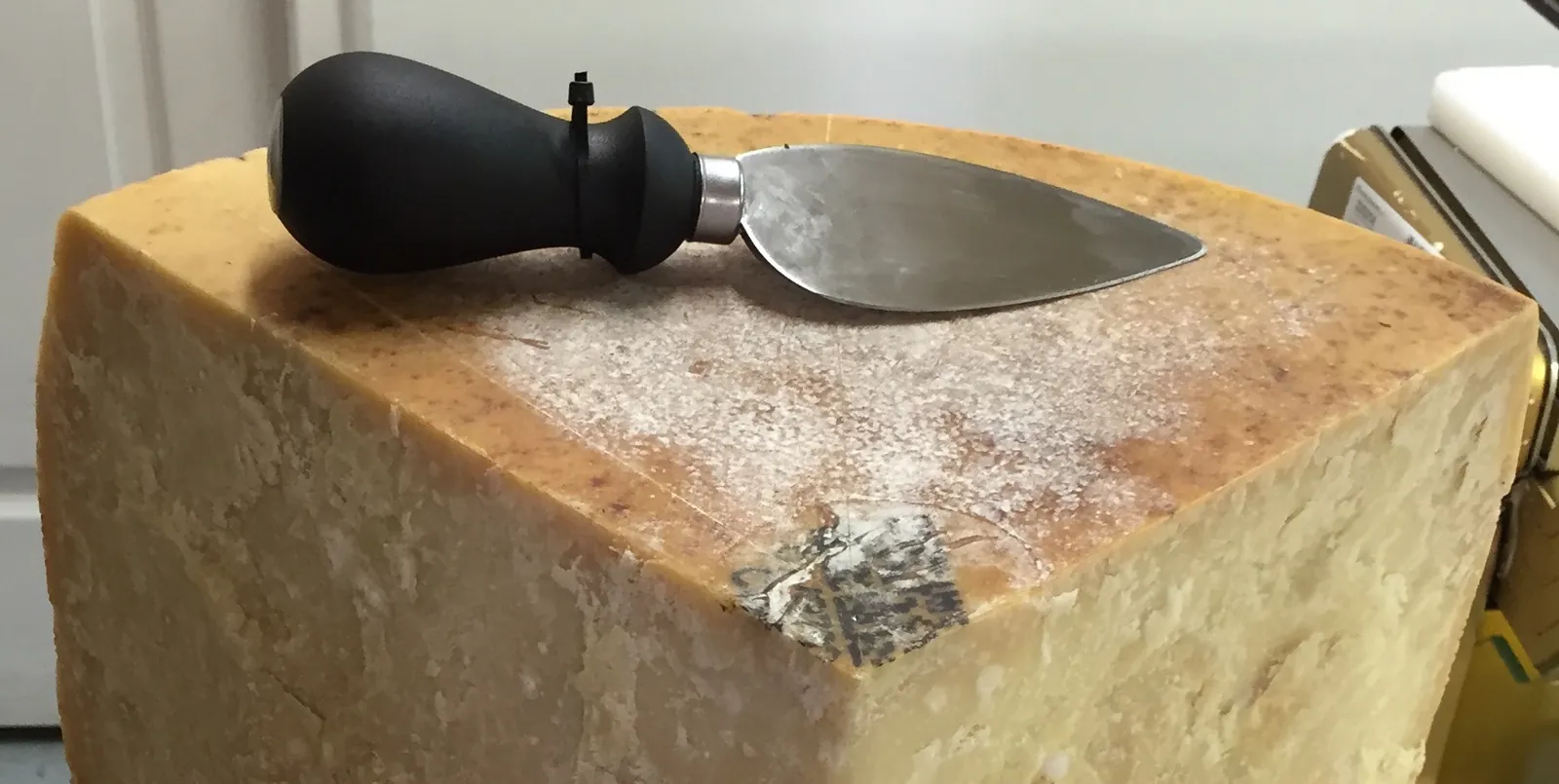
Cheddar, Brie, Swiss, Monterey Jack and goat cheese all work as they come, with no need for a reduced-fat version. The full ranking by carbs is in the best cheeses for keto.
What makes cheese easy on keto also sets its limit. Cheese is mostly fat, protein and water, so it barely touches a carb budget but fills the calorie, saturated fat and sodium budgets quickly. Four ounces of cheddar hold 3.8 grams of carbohydrate but 457 calories and 21 grams of saturated fat, more than a full day's Daily Value.
How full fat cheese fits keto macros
Full fat cheese fits keto macros because a ketogenic diet is defined by very little carbohydrate and a high share of fat, and cheese brings almost no carbohydrate with a little more fat than protein by weight. Ketogenic diets usually cut carbohydrate to less than 50 grams a day, according to a review in the European Journal of Clinical Nutrition.
Medical ketogenic diets for epilepsy use a stricter yardstick, the ketogenic ratio: grams of fat divided by grams of protein plus carbohydrate. The classic version runs at 4 to 1, which puts about 90 percent of calories in fat. The modified Atkins diet starts at about 10 to 15 grams of carbohydrate a day, may rise to 20 grams after 1 to 3 months, and typically lands at a ratio between 1 to 1 and 1.5 to 1, according to the International Ketogenic Diet Study Group. Run USDA's cheese figures through the same formula and most full-fat cheeses come out between 1.1 and 1.4. No cheese in USDA's table reaches 4 to 1 on its own; cream cheese comes closest, at about 3.
| Cheese | Keto ratio | Fat per oz | Protein per oz |
|---|---|---|---|
| Cream cheese | 3.0 | 9.8 g | 1.7 g |
| Goat cheese, semisoft | 1.4 | 8.5 g | 6.1 g |
| Brie | 1.3 | 7.8 g | 5.9 g |
| Cheddar | 1.3 | 9.4 g | 6.5 g |
| Monterey Jack | 1.2 | 8.6 g | 6.9 g |
| Swiss | 1.1 | 8.8 g | 7.6 g |
| Gruyère | 1.1 | 9.2 g | 8.5 g |
| Mozzarella, whole milk | 0.9 | 6.3 g | 6.3 g |
| Ricotta, whole milk | 0.7 | 2.9 g | 2.1 g |
| Parmesan, hard | 0.6 | 7.1 g | 10.1 g |
| Mozzarella, part-skim | 0.6 | 4.5 g | 6.9 g |
| Cottage cheese, creamed | 0.3 | 1.2 g | 3.2 g |
Protein is the other half of the ratio. The study group notes that protein isn't restricted on the modified Atkins diet but that very high intake may interfere with ketosis. Parmesan, which leads the high protein cheese ranking at 10.1 grams an ounce, makes a better seasoning than a main event on strict keto, and creamed cottage cheese, at a ratio of 0.3, behaves more like a lean protein than a keto fat.
Full fat vs low fat cheese on keto
Full fat cheese beats low fat cheese on keto because removing fat raises the share of protein every time and usually adds carbohydrate as well. All figures are per ounce, from USDA.
| Cheese | Net carbs | Fat | Protein | Keto ratio |
|---|---|---|---|---|
| Cheddar | 1.0 g | 9.4 g | 6.5 g | 1.3 |
| Cheddar, reduced fat | 0.8 g | 5.8 g | 7.8 g | 0.7 |
| Cheddar, fat-free | 2.0 g | 0 g | 9.1 g | 0 |
| Swiss | 0.4 g | 8.8 g | 7.6 g | 1.1 |
| Swiss, low fat | 1.0 g | 1.4 g | 8.1 g | 0.2 |
| Cream cheese | 1.6 g | 9.8 g | 1.7 g | 3.0 |
| Cream cheese, low fat | 1.9 g | 4.7 g | 2.2 g | 1.1 |
| Cream cheese, fat-free | 2.2 g | 0.3 g | 4.4 g | 0.0 |
| Process American | 1.0 g | 9.0 g | 5.1 g | 1.5 |
| American, fat-free | 3.0 g | 0 g | 6.0 g | 0 |
| Mozzarella, whole milk | 0.7 g | 6.3 g | 6.3 g | 0.9 |
| Mozzarella, part-skim | 0.8 g | 4.5 g | 6.9 g | 0.6 |
Every lower-fat version has more protein than its full-fat original, and every fat-free one has more carbohydrate: fat-free American cheese has nearly three times the carbs of regular process American, and fat-free cheddar twice those of cheddar. Reduced-fat cheddar is the one exception on carbs, with slightly less than regular. Low-fat Swiss shows the cost most clearly, falling from a ratio of 1.1 to 0.2.
The claims on the package have legal meanings under 21 CFR 101.62. "Reduced fat" means at least 25 percent less fat than the regular food, "low fat" means 3 grams or less per reference serving, and "fat free" means less than half a gram. Part-skim is the other phrase to spot on mozzarella and ricotta. For keto, buy the regular cheese with none of those words on it.
How much cheese fits a keto day
How much cheese fits a keto day depends less on carbs than on calories, saturated fat and sodium, as this cheddar table shows, computed from USDA with Daily Values from 21 CFR 101.9.
| Cheddar | Net carbs | Calories | Saturated fat | Sodium |
|---|---|---|---|---|
| 1 oz | 1.0 g | 114 | 5.3 g (27% DV) | 185 mg (8% DV) |
| 2 oz | 1.9 g | 229 | 10.7 g (53% DV) | 370 mg (16% DV) |
| 4 oz | 3.8 g | 457 | 21.4 g (107% DV) | 741 mg (32% DV) |
The Dietary Guidelines count 1 ounce of cheese as one dairy serving and set a goal of 3 dairy servings a day in a 2,000-calorie pattern, according to their daily servings chart. For entertaining, a sensible plan is 1 to 2 ounces a person when cheese is an appetizer and 4 to 6 ounces when it is the meal, as the guide to cheese per person explains.
On the carb side, even 4 ounces of cheddar use about a fifth of a 20-gram day and less than a tenth of a 50-gram one. The same 4 ounces pass the Daily Value for saturated fat and supply almost a quarter of 2,000 calories, which is why the budgets that run out first on a cheese-heavy day are the ones in the next section.
Saturated fat and sodium in full fat cheese
Saturated fat and sodium in full fat cheese are the numbers that run out first on a cheese-heavy keto day. In USDA's data, an ounce of most full-fat cheese carries 4 to 6 grams of saturated fat: 4.9 in Brie, 5.2 in Swiss, 5.3 in cheddar and 5.7 in cream cheese, with feta and whole-milk mozzarella under 4 and hard goat cheese highest at 7.0. Against a Daily Value of 20 grams, about 4 ounces of a typical full-fat cheese uses the whole allowance. The guide to saturated fat in cheese goes further.
Sodium varies far more. Swiss has 53 milligrams an ounce and cream cheese 89, while cheddar has 185, Parmesan 333, process American 474 and Roquefort 513. The Dietary Guidelines set the limit at less than 2,300 milligrams a day for people 14 and older, and add that highly active people may benefit from more sodium to replace what they lose in sweat. The low-sodium cheese guide lists more options. If you manage a chronic condition, the guidelines say some people with chronic diseases may do better on a lower-carbohydrate diet and advise working with a health care professional to choose the right one.
Lactose in cheese on keto
Lactose in cheese matters on keto for two reasons: it is the sugar behind most of a fresh cheese's carbs, and it is the sugar that bothers people who are lactose intolerant. USDA lists lactose for these cheeses, per ounce:
| Cheese | Lactose per oz |
|---|---|
| Swiss | 0.0 g |
| Mozzarella, whole milk | 0.0 g |
| Cheddar | 0.03 g |
| Process American cheese | 0.6 g |
| Queso fresco | 0.7 g |
| Cottage cheese, creamed | 0.8 g |
| Cream cheese | 1.1 g |
| Process cheese food, American | 1.5 g |
The National Institute of Diabetes and Digestive and Kidney Diseases suggests hard cheeses such as cheddar or Swiss for people with lactose intolerance and notes that many people can handle about 12 grams of lactose, the amount in a cup of milk, with no or mild symptoms. A half cup of creamed cottage cheese holds about 3 grams. The cheeses lowest in carbs tend to be the lowest in lactose too, and the guide to lactose in cheese goes cheese by cheese.
What most keto advice about full fat cheese misses
Most keto advice about full fat cheese stops at "it's low carb" and misses the parts that change what you eat.
The new guidelines endorse full-fat dairy and keep the saturated fat cap. The Dietary Guidelines for Americans, 2025 to 2030 tell people who eat dairy to include full-fat dairy with no added sugars. The same document still says saturated fat should generally stay under 10 percent of daily calories, and adds that more high-quality research is needed on which fats best support long-term health. Full fat cheese is endorsed; unlimited full fat cheese is not.
A label's "0 g" means less than half a gram. Under 21 CFR 101.9, a serving with less than 0.5 gram of carbohydrate may be labeled as zero, and one with less than 1 gram may say "less than 1 gram." Four 1-ounce servings of a cheese labeled 0 grams can add up to almost 2 grams. On a 20-gram day, track big portions by weight with USDA's per-ounce figures rather than the rounded label.
Fruit and flavors add real sugar. USDA's creamed cottage cheese with fruit has 5.2 grams of carbohydrate per half cup against 3.8 for plain. If the ingredient list runs past milk, cultures, salt and enzymes, read the rest of it.
Questions about full fat cheese on keto
These questions about full fat cheese on keto come from what people search alongside it.
Is full fat cheese keto?
Full fat cheese is keto friendly: in USDA's data, most natural full-fat cheeses have less than 1 gram of carbohydrate per ounce and get 65 to 73 percent of their calories from fat.
How much cheese can you eat on keto?
How much cheese you can eat on keto depends on your calorie, saturated fat and sodium budgets more than on carbs. Four ounces of cheddar use 3.8 grams of carbohydrate but slightly exceed the 20-gram Daily Value for saturated fat.
Is low fat cheese OK on keto?
Low fat cheese is allowed on keto but works against it, because removing fat raises protein and, in fat-free versions, carbohydrate. Fat-free cheddar has 2.0 grams of carbs per ounce against 1.0 for regular cheddar.
Which cheeses are full-fat cheeses?
Full-fat cheeses are the regular versions of each cheese, sold without a "reduced fat," "low fat" or "fat free" claim and without the word part-skim. Cheddar, Swiss, Brie, Gruyère, Monterey Jack, blue cheese, cream cheese and whole-milk mozzarella are typical.
Does cheese have sugar?
Natural cheese's sugar is mostly lactose, and aged cheese has almost none: USDA lists 0.0 grams per 100 grams in Swiss and 0.12 in cheddar, against 3.76 in cream cheese and 2.67 in creamed cottage cheese.
Can you eat cheese every day on keto?
Eating cheese every day on keto fits the Dietary Guidelines' dairy goal of 3 servings a day at 2,000 calories, with 1 ounce of cheese counting as a serving. The numbers to watch are saturated fat and sodium.
Making full fat cheese work on keto
Making full fat cheese work on keto means measuring it rather than rationing it. Buy the regular version of each cheese, weigh a 1-ounce portion once so you know what it looks like, and lean on low-sodium Swiss and cream cheese when the day's sodium is running high. For ways to turn cheese into the bread, chips and shells keto takes away, try the keto cheese recipes, starting with crisp cheddar taco shells.
Sources
- FoodData Central, SR Legacy dataset, USDA Agricultural Research Service
- Dietary Guidelines for Americans, 2025-2030, U.S. Department of Health and Human Services and U.S. Department of Agriculture
- Daily Servings by Calorie Level, Dietary Guidelines for Americans 2025-2030, U.S. Department of Health and Human Services and U.S. Department of Agriculture
- 21 CFR 101.9, Nutrition labeling of food, Electronic Code of Federal Regulations
- 21 CFR 101.62, Nutrient content claims for fat, fatty acid, and cholesterol content of foods, Electronic Code of Federal Regulations
- Optimal clinical management of children receiving dietary therapies for epilepsy: Updated recommendations of the International Ketogenic Diet Study Group (Kossoff et al., 2018), Epilepsia Open via PubMed Central
- Beyond weight loss: a review of the therapeutic uses of very-low-carbohydrate (ketogenic) diets (Paoli et al., 2013), European Journal of Clinical Nutrition via PubMed Central
- Eating, Diet, & Nutrition for Lactose Intolerance, National Institute of Diabetes and Digestive and Kidney Diseases