
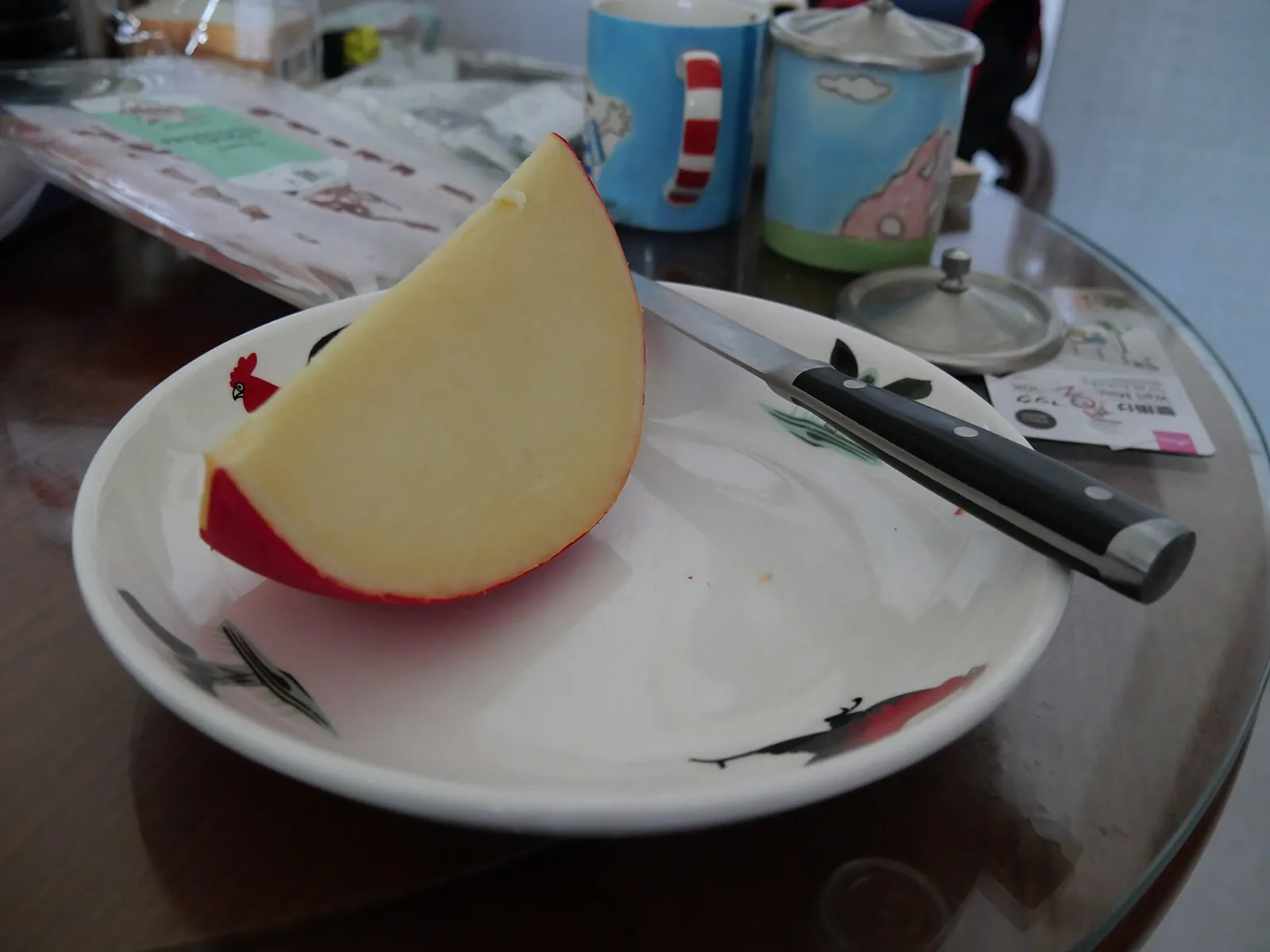
The best-known review, a 2018 meta-analysis, found that people who ate the most cheese had fewer hip fractures than people who ate the least, while milk and total dairy showed no clear pattern.
Hip fracture is not the same measure as bone density, and neither shows that cheese caused anything. This page sorts what is fairly solid from what is not. For the calcium numbers, see calcium in cheese. This page is general information, not medical advice.
Cheese and bone density in the largest review
Cheese and bone density were examined indirectly in a 2018 meta-analysis in BMC Public Health by Bian and colleagues, which pooled 18 observational studies (10 cohort and 8 case-control) found by searching through April 2017. The outcome was hip fracture, not a bone density scan.
For the cohort studies, comparing the highest with the lowest intake, the pooled relative risks were:
| Dairy type | Relative risk of hip fracture | 95% confidence interval |
|---|---|---|
| Cheese | 0.68 | 0.61 to 0.77 |
| Yogurt | 0.75 | 0.66 to 0.86 |
| Milk | 0.91 | 0.74 to 1.12 |
| Total dairy | 1.02 | 0.93 to 1.12 |
A relative risk of 0.68 reads as 32 percent lower risk. Milk and total dairy intervals cross 1.0, so those results are not statistically significant. The authors list their own limits: food frequency questionnaires contain reporting errors, case-control studies carry recall and selection bias, the studies measured dairy in different units, and subgroup analyses had limited power.
Where the evidence on cheese and bone density is mixed
The evidence on cheese and bone density is mixed because reviews of dairy and fractures do not agree. A 2020 systematic review and meta-analysis by Malmir and colleagues in Critical Reviews in Food Science and Nutrition reported that, in cohort studies, greater milk and dairy intake was not associated with lower risk of osteoporosis or hip fracture. The two reviews used different study sets and weighted cohort and case-control designs differently.
The NIH Office of Dietary Supplements describes the same split for calcium itself. Its calcium fact sheet says findings on calcium supplements and bone mineral density in older adults are mixed, and that it is not clear whether more calcium from food or supplements improves bone health in older adults.
So the fair summary is: cheese looks good in some pooled analyses, dairy as a whole does not look good in others, and no study here is a trial that assigned people cheese to see their bones change.
Why cheese and bone density studies can mislead
Cheese and bone density studies can mislead because of who eats cheese. People who eat more cheese may differ in income, total calories, exercise, smoking, vitamin D and overall diet, and adjusting for all of that is imperfect. An association can also run backward: someone told to watch their bones may change what they eat.
Cheese also bundles nutrients. It has calcium, protein and phosphorus, and fermented dairy may differ from milk in ways researchers are still working out. A pooled number cannot say which part, if any, matters. Cheese types also differ widely, so "cheese" in a questionnaire covers anything from cottage cheese to Parmesan.
What most cheese and bone density advice gets wrong
Most cheese and bone density advice makes one of three mistakes.
It treats calcium as the whole story. Bone also depends on vitamin D, protein, activity, body weight and age, and most cheese is not a major vitamin D source. If your doctor has talked to you about bone loss, vitamin D and weight-bearing exercise are part of that conversation, not an afterthought.
It treats "high calcium" as "high benefit." USDA lists 336 mg of calcium per ounce of hard Parmesan against 17 mg in 1% cottage cheese, but the fracture studies did not compare cheeses by calcium content.
It ignores the other side of the ledger. Cheese also brings sodium and saturated fat, covered in cheese and cholesterol and cheese and blood pressure. A person with osteoporosis who also has high blood pressure should weigh both with their doctor.
Cheese for bones if you avoid milk
Cheese for bones can matter to people who skip milk, since aged cheeses are very low in lactose. Lactose in cheese explains which types are lowest, and the lactose intolerant guide covers which to try first. Plant cheeses are usually not calcium sources unless fortified, as vegan vs dairy cheese shows.
Questions about cheese and bone density
These are quick answers to common questions about cheese and bone density.
Does cheese increase bone density?
Cheese has not been shown to increase bone density. The 2018 Bian meta-analysis linked higher cheese intake to fewer hip fractures in cohort studies, but that is an association from observational data, and the measured outcome was fracture.
Does cheese help prevent osteoporosis?
Cheese has not been proven to prevent osteoporosis. It supplies calcium, and the NIH calls cheese a rich natural source, but reviews disagree on whether dairy lowers fracture risk. Ask your doctor about prevention for your situation.
Is cheese better than milk for bones?
Cheese looked better than milk in one 2018 meta-analysis: cohort relative risk 0.68 for cheese against 0.91 for milk, and only the cheese result was statistically significant. One review is not enough to rank them.
How much cheese is good for bones?
There is no research-backed cheese amount for bones. A practical reference is calcium: NIH sets 1,000 to 1,200 mg a day for most adults, and a 1 ounce portion of cheddar gives 201 mg by USDA. Serving sizes are in the cheese per person guide.
Does cheese protect teeth as well as bones?
Cheese protecting teeth as well as bones is a different body of research, with different mechanisms, covered in is cheese good for your teeth.
Cheese and bone density: the takeaway
Cheese and bone density is a case of encouraging associations without proof. Treat cheese as a calcium source you may enjoy, not a bone treatment, and bring any osteoporosis question, supplement question or diagnosed condition to your doctor or a registered dietitian. Check the calcium per ounce of the cheese you buy against your daily number first.
Sources
- Bian S, Hu J, Zhang K, et al. Dairy product consumption and risk of hip fracture: a systematic review and meta-analysis, BMC Public Health, 2018
- Calcium: Health Professional Fact Sheet, NIH Office of Dietary Supplements
- Malmir H, et al. Consumption of milk and dairy products and risk of osteoporosis and hip fracture: a systematic review and meta-analysis, Critical Reviews in Food Science and Nutrition, 2020
- USDA FoodData Central, SR Legacy cheese entries, U.S. Department of Agriculture