
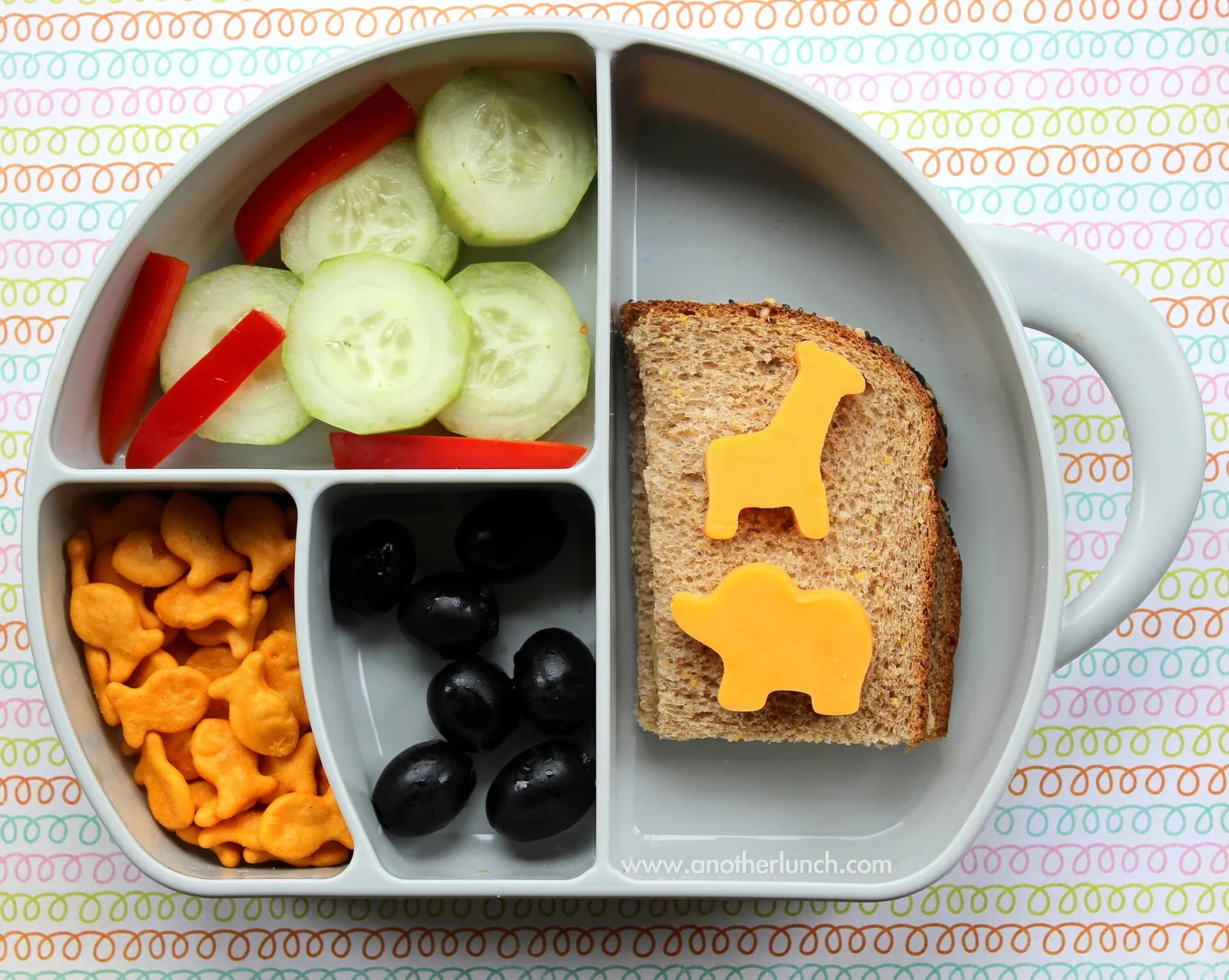
For children under 4, the American Academy of Pediatrics (AAP) lists chunks of cheese and string cheese among the foods to avoid or modify.
Shape matters as much as the cheese. Mild cheeses win with kids because they are young and moist, without the sharp or funky notes of aged ones, and the mild cheeses ranking explains why. The packaged formats kids love, sticks, cubes and rounds, are the risky ones for small children, so pick the cheese for flavor and the cut for age.
Best cheeses for kids at a glance
These best cheeses for kids at a glance show how each one is easiest to serve and what an ounce adds in sodium and calcium.
| Cheese | Why kids like it | Easy way to serve | Sodium per ounce | Calcium per ounce |
|---|---|---|---|---|
| Cheddar (mild) | Familiar and buttery | Shredded on pasta, eggs, tacos | 185 mg | 201 mg |
| Colby | Soft and mild | Shredded, or sliced thin for sandwiches | 171 mg | 194 mg |
| Monterey Jack | Mild, melts smoothly | Quesadilla strips | 170 mg | 212 mg |
| Mozzarella (string cheese) | Milky and stretchy | Shredded on pizza toast; sticks from age 4 | 189 mg | 198 mg |
| Muenster | Mild and buttery | Melted on sandwiches | 178 mg | 203 mg |
| Swiss | Sweetish, low in salt | Thin slices | 53 mg | 252 mg |
| Gouda (young) | Creamy | Thin slices or shredded | 232 mg | 198 mg |
| Cream cheese | Soft and spreadable | Thin spread on toast | 89 mg | 28 mg |
| Process American slices | Melts evenly | Grilled cheese | 474 mg | 296 mg |
The sodium and calcium figures are USDA FoodData Central values per ounce (28 g) for the generic entry of each cheese, so brands vary.
The best cheeses for kids by age
The best cheeses for kids change with age, because the safest shape changes while the flavor ladder stays the same.
Cheese for babies and toddlers
Cheese for babies and toddlers starts with pasteurized, full-fat, easy-to-shred cheeses: mild cheddar, mozzarella, Monterey Jack, Colby and Swiss. The 2025 to 2030 Dietary Guidelines for Americans list full-fat yogurt and cheese among nutrient-dense foods to introduce at about 6 months. Offer it shredded, thinly sliced, melted on toast or stirred into other food, and ask your pediatrician about timing. Swiss has the least sodium of the firm cheeses here.
Cheese for ages 4 and up
Cheese for ages 4 and up widens to sticks, cubes and lunchbox formats, depending on the child's development. String cheese, Babybel-style mini rounds with the wax peeled off, Muenster, Havarti and young Gouda all join the list. The string cheese guide explains why it peels, and the same mildest-first ladder applies when you move up a notch.
Cheese for picky eaters
Cheese for picky eaters works best in a familiar shape and a familiar dish. Start with Monterey Jack in a quesadilla or mozzarella melted on toast, then change one thing at a time. The Dietary Guidelines note that it may take 8 to 10 exposures before a young child accepts a new food, so a refusal is not a verdict.
Cheese choking hazards for young children
Cheese is a choking hazard for young children when it is served in chunks, cubes or whole sticks, and the AAP's choking prevention guide names chunks of cheese and string cheese among the foods to avoid or modify. It advises keeping high-risk foods from children until age 4 or older, depending on each child's development, cutting food into pieces no larger than one-half inch, and having children sit while they eat under supervision. Shredded cheese, thin slices and melted cheese fit those rules. The AAP adds that firm, round foods can be served if completely chopped into tiny pieces, and the same logic applies to a mini cheese round.
Pasteurized cheese for small children
Pasteurized cheese is the safer choice for small children, because the FDA says children younger than 5 have a high risk of foodborne illness, since their immune systems are still developing and they make less stomach acid. The FDA's food safety booklet advises buying only pasteurized milk, cheese and other dairy products, and lists soft cheeses made from raw milk, such as feta, Brie, Camembert, blue-veined cheese and queso fresco, as higher risk. Hard cheeses, processed cheeses, cream cheese, mozzarella and soft cheeses labeled pasteurized are lower risk. Aged does not mean pasteurized, since raw-milk cheese can be sold once cured 60 days; the guide to pasteurized vs. raw-milk cheese explains how to read the label.
Cheese nutrition for kids: calcium and sodium
Cheese nutrition for kids comes down to two numbers, calcium and sodium. The NIH's Office of Dietary Supplements lists the calcium RDA as 700 mg a day for ages 1 to 3 and 1,000 mg for ages 4 to 8, and an ounce of cheddar, Monterey Jack or Swiss supplies roughly 200 to 250 mg. The Dietary Guidelines cap sodium below 1,200 mg a day for ages 1 to 3 and 1,500 mg for ages 4 to 8, so an ounce of Swiss at 53 mg and an ounce of cheddar at 185 mg are very different choices. The guidelines count 1 ounce of cheese as a dairy serving and say full-fat dairy helps children meet energy needs. The cheese for kids nutrition guide covers more.
Easy serving ideas for kids
Easy serving ideas for kids start with the cut: shred, slice thin or melt for children under 4, and add sticks and cubes when the pediatrician agrees.
- Shredded mild cheddar or Colby over pasta, rice, beans or scrambled eggs.
- Monterey Jack quesadilla cut into thin strips.
- Mac and cheese with a mild cheddar sauce.
- Mozzarella melted on toast fingers or an English muffin half.
- Thin Swiss or Havarti slices folded onto soft crackers.
- For ages 4 and up, string cheese, a peeled mini round or cheese cubes beside fruit.
What most kids' cheese advice gets wrong
Most advice on cheese for kids gets the salt wrong and treats every mild cheese as equal, when the numbers differ a lot.
Processed slices and shaker Parmesan carry the most salt
Processed cheese slices and shaker Parmesan carry far more salt than natural mild cheese. USDA data put pasteurized process American at about 474 mg of sodium per ounce and grated Parmesan at about 511, against 185 for cheddar, so one ounce of slices is about 40 percent of the 1,200 mg daily limit for ages 1 to 3. Use slices as an occasional melter and Swiss or cheddar for everyday snacks.
Soft cheeses are mild but low in calcium
Soft cheeses are mild and popular with kids, but they supply little calcium. USDA data give cream cheese about 28 mg per ounce and creamed cottage cheese about 24, against about 200 mg for cheddar and 252 for Swiss. Firm cheeses are the better calcium choice, and a thin cream cheese spread adds flavor rather than calcium.
Questions about cheese for kids
These are the questions about cheese for kids that parents ask most.
What is the best cheese for kids?
The best cheese for kids is a mild, pasteurized, full-fat cheese such as mild cheddar, Colby, Monterey Jack, mozzarella or Muenster, shredded or sliced thin for children under 4.
Can babies eat cheese?
Babies can eat cheese when they start solid foods at about 6 months, since the Dietary Guidelines list full-fat cheese among nutrient-dense first foods. It should be pasteurized and served shredded, melted or thinly sliced, and your pediatrician can advise on timing and allergies.
Is string cheese a choking hazard for toddlers?
String cheese is a choking hazard for toddlers, according to the AAP, which lists it with chunks of cheese among the foods to avoid or modify for young children; shredded mozzarella is a safer substitute until about age 4.
Should kids eat only pasteurized cheese?
Kids should eat pasteurized cheese while they are small, because the FDA advises buying only pasteurized dairy for children under 5 and lists raw-milk soft cheeses as higher risk.
How much cheese should a child eat a day?
A child's cheese needs are set by calories and the rest of the diet, but the Dietary Guidelines count 1 ounce of cheese as one dairy serving and set dairy at 2 to 2.5 servings a day for the 1,000 to 1,400 calorie patterns, with smaller portions possible for young children.
Where to start with cheese for kids
Start your cheese for kids with pasteurized mild cheddar or Colby, shredded and melted into a food your child already eats, and move to sticks and cubes at age 4 and up once your pediatrician agrees. Read the label for "pasteurized" and compare sodium before you buy slices, and use the mild cheeses ranking when you want the next step up.
Sources
- Choking Prevention for Babies & Children: What Every Parent Needs to Know, American Academy of Pediatrics (HealthyChildren.org)
- Food Safety Booklet for Pregnant Women, Their Unborn Babies, and Children Under Five and its PDF edition, U.S. Food and Drug Administration
- Dietary Guidelines for Americans, 2025 to 2030 and Daily Servings by Calorie Level, U.S. Department of Agriculture and U.S. Department of Health and Human Services
- Calcium: Fact Sheet for Health Professionals, National Institutes of Health Office of Dietary Supplements
- USDA FoodData Central (SR Legacy): cheddar, Colby, Monterey, mozzarella, low moisture, part-skim, Muenster, Swiss, Gouda, cream cheese, pasteurized process American, Parmesan, grated and creamed cottage cheese, U.S. Department of Agriculture
- 21 CFR 133.182: Soft ripened cheeses, Electronic Code of Federal Regulations