
Most cheese is made year round, so the real question is which cheeses carry a season in their milk or their rules, and when they reach a US shop.
The cause is the animal. Milk changes with the calendar, with what the animals eat and with where they are in their lactation, and a few cheeses are protected names that legally allow production only in part of the year. That is why the same cheese can taste different in June and in January, and why some are sold for only eight months.
Why cheese has seasons
Why cheese has seasons comes down to milk. Goats breed in the fall and kid in the spring, so most goat milk arrives in a wave, while cows on pasture eat different plants as the months change. A cheese made from raw milk shows that directly. A cheese made from industrial pasteurized milk, standardized and often drawn from year-round herds, shows it far less. That is why the cheeses below are the ones where the season is on the label.
Aging adds a second clock. A cheese made in July is not ready in July if it needs five months. So there are two seasons to track: when the cheese is made and when it is ready to buy.
Spring goat cheese
Spring goat cheese is the freshest-tasting goat cheese of the year. Goats kid in spring, and Formaticum, a cheese importer, notes that after kidding milk is rich with extra fat, which makes particularly luscious cheese, and that animals grazing in spring and summer eat aromatic grasses and herbs that give the milk a bright flavor. The same page says goat cheese is available all year but that spring is the best time to taste it.
What to buy: fresh chèvre logs and young rounds, in the weeks after the first spring milk. Ask the counter when it was made. Fresh goat cheese is meant to be eaten within days to a couple of weeks, so buy a little and use it. The chèvre guide explains fresh versus aged styles, and how to choose goat cheese covers the label. In the fall, goat milk gets scarcer, which is when goat-cheese makers lean on aged rounds.
Summer alpage cheese
Summer alpage cheese is made on mountain pastures while the cows are grazing them, and the protected names make that a rule. L'Etivaz AOP, the Swiss cheese, may only be made from May 10 to October 10, on pastures between 1,000 and 2,000 meters (about 3,300 to 6,600 feet), from raw milk, in copper kettles over a wood fire, and aged at least 5 months on spruce boards.
In France, the Beaufort consortium sorts its wheels into types on the Fromages de Savoie page: Beaufort d'été is made with milk from the summer season only, and Beaufort Chalet d'alpage is made in mountain chalets above 1,500 meters (about 4,900 feet) with the milk of a single herd. All Beaufort is aged at least 5 months, so a summer wheel reaches the counter from autumn on. That is the practical reason alpage cheese is an autumn and winter purchase. The Beaufort page and the Alpine cheese guide give the full details, and the Alp label rule for Swiss cheese is there too.
In a US shop, "Alpine-style" on a label carries no such promise. Look for the protected name and the words d'été, d'alpage or Alp.
Mont d'Or season
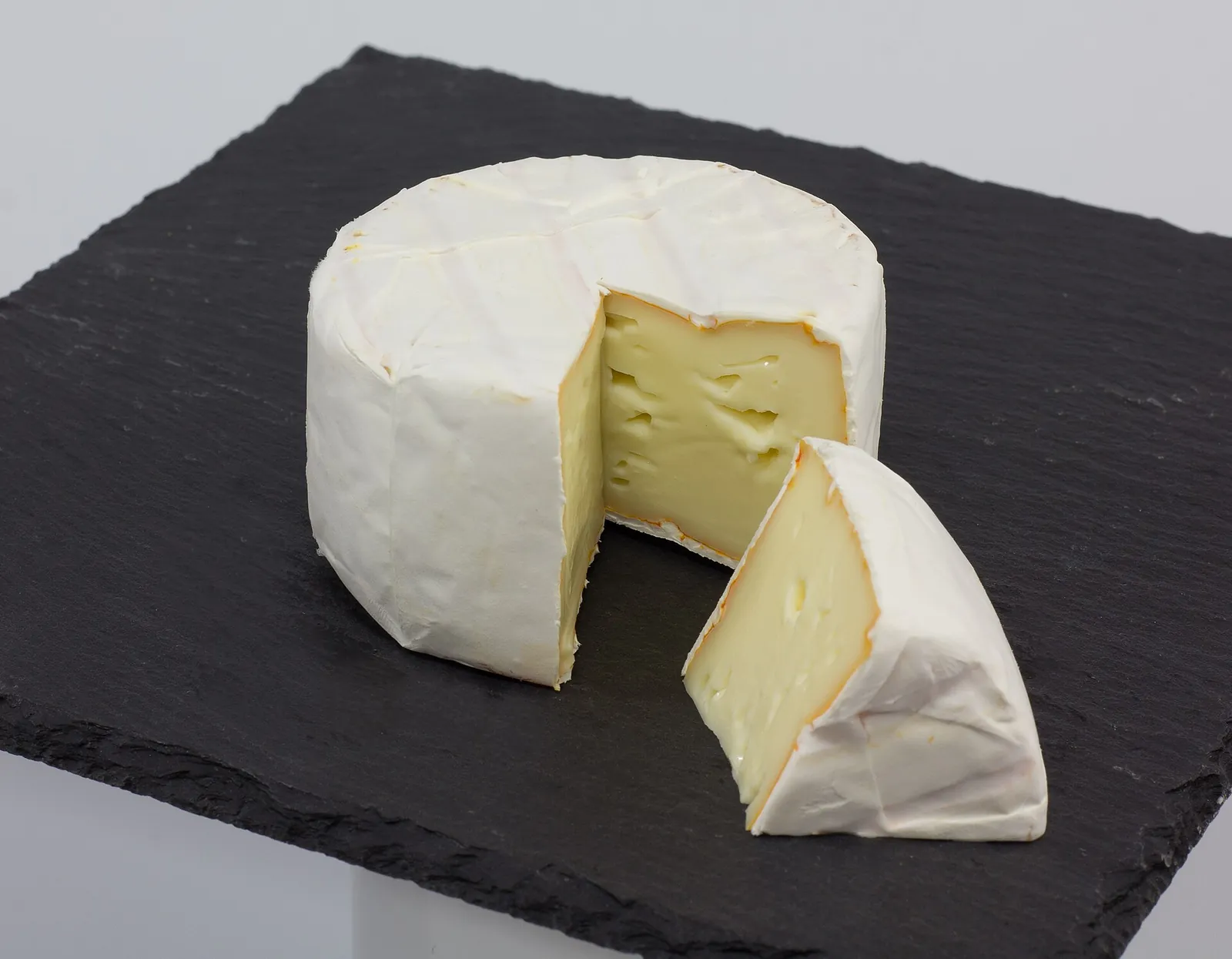
Mont d'Or season is the shortest of the three, because the rules fix both the making and the selling. The French AOP specification, from the INAO, says the cheese is made from August 15 to March 15 and may be sold to consumers only from September 10 to May 10. It is a raw-milk cheese banded with spruce and sold in a spruce box.
Its Swiss twin, Vacherin Mont-d'Or AOP, has its own calendar. In 2026 the Swiss producers announced that sales began on September 11, a week earlier than usual for the first time in decades, with the season running to spring, according to their September 9 press release. That makes early October a fine time to start looking.
How to buy: it is a winter cheese, so look from late autumn into winter and eat it soon, since it is soft and ripe. For raw-milk versions, read pasteurized vs. raw-milk cheese first, especially if anyone at the table is pregnant. The Mont d'Or page covers serving, and the Vacherin comparison tells the French and Swiss versions apart and gives US options.
A year of seasonal cheese at a glance
A year of seasonal cheese at a glance, from the sources above, looks like this.
| Season | What is at its best | Why |
|---|---|---|
| Spring | Fresh goat cheese | Milk after kidding is rich, and animals graze new growth |
| Summer | Cheese made on alpine pastures, such as L'Etivaz (May 10 to October 10) | Made only on summer pasture |
| Autumn | Summer alpage wheels, such as Beaufort, once aged at least 5 months; Mont d'Or sales open | Aging time; sales start September 10 (France) |
| Winter | Mont d'Or and Vacherin Mont-d'Or | Sold only from September to spring |
What most seasonal cheese advice gets wrong
Most seasonal cheese advice gets wrong the idea that a cheese is best when it is made. Seasonal cheese is often best months later: the season of the milk and the season of the eating are different. A cheese made on a summer pasture is a winter purchase.
The second mistake is assuming every label says so. Most supermarket cheddar and mozzarella has no season you can taste, and "seasonal" on a US package is a marketing word unless a protected name backs it. Last, goat cheese being available year round does not mean it is equal year round.
Questions about seasonal cheese
These are the questions about seasonal cheese that readers ask most.
Is cheese really seasonal?
Cheese is seasonal when it is made from milk that changes with the calendar, or when a protected name limits production dates. Many mass-produced cheeses are not noticeably seasonal.
When is spring goat cheese at its best?
Spring goat cheese is at its best in the weeks after the goats kid, when the milk is rich and the animals are grazing fresh growth.
When is Mont d'Or in season?
Mont d'Or is in season from September 10 to May 10 in France, when it may be sold, and it is made only from August 15 to March 15. The Swiss version opened on September 11 in 2026.
Are alpage cheeses made only in summer?
Alpage cheeses are made on summer pastures by definition. L'Etivaz is made only from May 10 to October 10, and Beaufort Chalet d'alpage is made in chalets above 1,500 meters.
Should you ask a cheesemonger what is in season?
A cheesemonger can tell you what is in season, so ask what has just arrived and what is at its peak. The questions to ask your cheesemonger cover this.
Buying cheese by the season
Buying cheese by the season starts with three targets: fresh goat cheese in spring, alpine wheels from the autumn, and Mont d'Or in the cold months. Check the label for the protected name and a date, and eat the soft ones soon. If you only try one this year, try a Mont d'Or baked in its box.
Sources
- Seasonality of Goat Cheese, Formaticum
- L'Etivaz AOP, Swiss PDO-PGI Association
- AOP Beaufort, Fromages de Savoie
- Cahier des charges de l'AOP Mont d'Or / Vacherin du Haut-Doubs, INAO
- Communique de presse, September 9, 2026, Interprofession du Vacherin Mont-d'Or AOP