
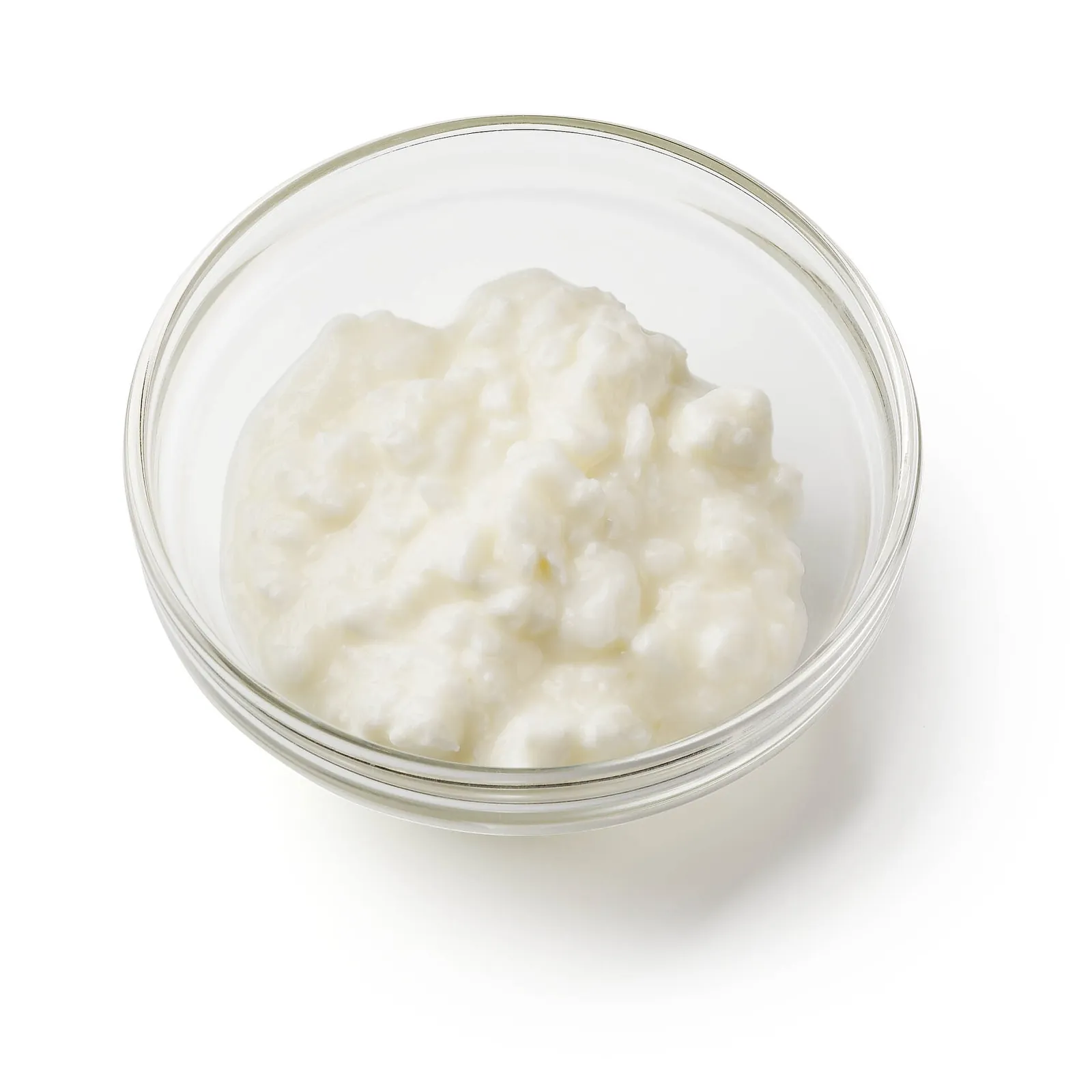
The type matters more than the word: per ounce, USDA lists 1% cottage cheese at 20 calories, part-skim mozzarella at 72, Parmesan at 111 and cheddar at 114, so a cheese diet built on cottage cheese and one built on cheddar are very different diets.
The research says the same thing more quietly. When trials added dairy to diets that cut calories, people lost slightly more weight; when calories were not cut, extra dairy did not help, and in some trials it went the other way. This page is general information, not medical advice, so check any plan with a doctor or registered dietitian, especially if you have a health condition or take medication.
Cheese calories, protein and fat per ounce
Cheese calories, protein and fat per ounce range from 20 calories to more than 110, according to USDA's FoodData Central, the source for every figure in this table.
| Cheese (1 oz) | Calories | Protein | Fat | Saturated fat | Protein per 100 calories |
|---|---|---|---|---|---|
| Cottage cheese, 1% | 20 | 3.5 g | 0.3 g | 0.2 g | 17.2 g |
| Ricotta, part skim | 39 | 3.2 g | 2.2 g | 1.4 g | 8.3 g |
| Mozzarella, fat-free | 40 | 9.0 g | 0 g | 0 g | 22.5 g |
| Swiss, low fat | 51 | 8.1 g | 1.4 g | 0.9 g | 15.9 g |
| Mozzarella, part skim | 72 | 6.9 g | 4.5 g | 2.9 g | 9.6 g |
| Feta | 75 | 4.0 g | 6.1 g | 3.8 g | 5.4 g |
| Goat cheese, soft | 75 | 5.3 g | 6.0 g | 4.1 g | 7.0 g |
| Mozzarella, whole milk | 85 | 6.3 g | 6.3 g | 3.9 g | 7.4 g |
| Cheddar, reduced fat | 90 | 7.8 g | 5.8 g | 3.6 g | 8.7 g |
| Brie | 95 | 5.9 g | 7.8 g | 4.9 g | 6.2 g |
| Cream cheese | 99 | 1.7 g | 9.8 g | 5.7 g | 1.8 g |
| Provolone | 100 | 7.3 g | 7.5 g | 4.8 g | 7.3 g |
| Swiss | 111 | 7.6 g | 8.8 g | 5.2 g | 6.9 g |
| Parmesan, hard | 111 | 10.1 g | 7.1 g | 4.2 g | 9.1 g |
| Cheddar | 114 | 6.5 g | 9.4 g | 5.3 g | 5.7 g |
| Gruyère | 117 | 8.5 g | 9.2 g | 5.4 g | 7.2 g |
Fat and water explain most of the spread. USDA's calorie factors for cheese count about 8.8 calories per gram of fat and 4.3 per gram of protein, so a gram of fat costs about twice the calories of a gram of protein, and the water in fresh cheeses dilutes both. The high-protein cheese ranking sorts the same USDA rows by protein.
What a portion of cheese looks like
A portion of cheese is smaller than most people cut: the 2025 to 2030 Dietary Guidelines for Americans count 1 ounce of cheese as one dairy serving. USDA's portion weights put real shapes to that number.
| Portion (USDA weight) | Calories | Protein |
|---|---|---|
| 1-inch cube of cheddar (17 g) | 69 | 3.9 g |
| 1-ounce slice of cheddar (28 g) | 113 | 6.4 g |
| 1 cup shredded cheddar (113 g) | 455 | 25.8 g |
| 1 tablespoon grated Parmesan (5 g) | 21 | 1.4 g |
| 1 tablespoon cream cheese (14.5 g) | 51 | 0.9 g |
| 1/4 cup crumbled feta (37.5 g) | 99 | 5.3 g |
| 1/2 cup 1% cottage cheese (113 g) | 81 | 14.0 g |
| 1/2 cup part-skim ricotta (124 g) | 171 | 14.1 g |
Shredded cheese is where portions run away. A cup of shredded cheddar weighs about 4 ounces, more than the three daily dairy servings the guidelines set for a 2,000-calorie diet, and it disappears into a casserole without looking like much. The cheese portion guide has more ways to eyeball an ounce.
Does cheese help you feel full?
Cheese can help you feel full, but in a trial that tested it as a snack, the effect covered only part of its calories. In a University of Reading crossover study, 40 overweight men had snacks of cheese, yogurt or milk of about 200 calories each, or water, two hours after breakfast. After the cheese they ate 9 percent less at lunch than after water; with lunch after water averaging about 1,030 calories, that saved roughly 90 calories against a 200-calorie snack. Yogurt cut hunger ratings the most, though lunch intake was similar after all three dairy snacks.
Trading fat for protein may help. In a Danish crossover study of 39 adults, with a co-author from the cheese company Bel Group, a high-protein, low-fat cheese led to about 45 fewer calories by lunch than a high-protein, full-fat one, and the researchers found no compensatory eating afterward.
What trials show about dairy and weight loss
Trials on dairy and weight loss point to one condition: extra dairy helped when total calories were cut, not when people ate freely. A Harvard meta-analysis of 29 randomized trials with 2,101 adults found no significant overall weight change from eating more dairy. Dairy helped in trials that also cut calories or lasted under a year, and had the opposite effect in trials where people ate freely or that ran a year or longer.
A 2016 meta-analysis of 27 trials put a size on the benefit: 2 to 4 servings of dairy a day during calorie restriction, over a median of 16 weeks, added about 1.16 kg (2.6 pounds) of weight loss and kept slightly more lean mass, in studies that were 90 percent women. These trials tested dairy foods in general, and some used whey protein supplements, so none of them isolates cheese.
What dietary guidelines say about cheese
Dietary guidelines put cheese in the dairy group, in measured amounts. The 2025 to 2030 Dietary Guidelines for Americans set a goal of 3 dairy servings a day on a 2,000-calorie pattern, adjusted to your calorie needs, and tell readers to include full-fat dairy with no added sugars. The same guidelines say to pay attention to portion sizes of higher-calorie foods, keep saturated fat to 10 percent of calories or less, and keep sodium under 2,300 mg a day from age 14.
Run the numbers on that fat ceiling. Ten percent of 2,000 calories is 200 calories, or about 22 grams of saturated fat; 3 ounces of cheddar supply 16 of them, and a cup of shredded cheddar supplies 21. The saturated fat guide covers what that means for heart health.
The UK's NHS takes a similar line. It says cheese can be part of a healthy diet but advises keeping track of how much and how often you eat it, since cheese can be high in saturated fat and salt; most cheeses hold 20 to 40 grams of fat per 100 grams. Reduced-fat hard cheeses usually have 16 to 22 grams, and reduced-fat cottage cheese and quark 3 grams or less. It also suggests a strong cheese, such as an aged cheddar or blue, so a smaller amount flavors the dish.
What most cheese weight-loss advice gets wrong
Most cheese weight-loss advice talks about protein and skips the arithmetic.
Reduced-fat cheddar is the overlooked swap. USDA lists reduced-fat cheddar at 90 calories and 7.8 grams of protein per ounce, against 114 calories and 6.5 grams for regular cheddar, so it cuts about a fifth of the calories and adds protein. Lower-fat cheese melts less smoothly, so save it for sandwiches and snacks rather than sauces.
Fat-free can mean saltier. USDA lists fat-free mozzarella at 211 mg of sodium per ounce, against 176 mg for part-skim, and fat-free cheddar and Swiss run saltier still. The low-sodium cheese guide lists better picks if salt matters to you.
The calcium-fat effect is real but tiny. In a crossover trial of 15 young men, a cheese-based diet raised the fat lost in stool from 3.9 to 5.7 grams a day, about 16 calories' worth, a rounding error next to a single 114-calorie ounce of cheddar.
Questions about cheese and weight loss
These are the questions about cheese and weight loss that come up most.
Can you eat cheese and still lose weight?
You can eat cheese and still lose weight if your diet as a whole cuts calories; pooled trials found dairy helped when calories were cut, not when people ate freely. Decide the portion first, then the cheese.
What cheese is best for weight loss?
The best cheese for weight loss, judged by protein per calorie, is 1% cottage cheese at 17.2 grams per 100 calories in USDA data, followed among regular cheeses by part-skim mozzarella (9.6) and Parmesan (9.1). Low-fat Swiss scores 15.9 with little sodium. For ways to eat more cottage cheese, see the cottage cheese fitness guide.
Is mozzarella good for weight loss?
Mozzarella is one of the leaner cheeses for weight loss: part-skim mozzarella has 72 calories and 6.9 grams of protein per ounce in USDA data, against 85 calories and 6.3 grams for whole-milk mozzarella.
What is the worst cheese for weight loss?
No cheese is off-limits for weight loss, but cream cheese gives the least protein for its calories, 1.7 grams in a 99-calorie ounce. Gruyère and cheddar are among the most calorie-dense, at 117 and 114 calories an ounce.
Is 2 slices of cheese a day OK?
Two 1-ounce slices of cheese a day count as two of the three daily dairy servings in the 2025 to 2030 Dietary Guidelines. Two slices of cheddar carry about 226 calories and 10.6 grams of saturated fat, roughly half the 22-gram ceiling on a 2,000-calorie diet.
Fitting cheese into a weight-loss diet
Fitting cheese into a weight-loss diet starts with weighing 1 ounce once, so you know what a serving looks like. Then choose by job: cottage cheese or part-skim ricotta when you want volume and protein, part-skim mozzarella when you want melt, and a little Parmesan or aged cheddar when you want flavor. If you are following a low-carb plan, see cheese on a keto diet, and bring any plan to a doctor or registered dietitian before you change how you eat.
Sources
- USDA FoodData Central, SR Legacy: cottage cheese, 1%, ricotta, part skim, mozzarella, part skim, mozzarella, nonfat, Swiss, low fat, cream cheese, Parmesan, grated, cheddar, cheddar, reduced fat and the full dataset, U.S. Department of Agriculture
- Dietary Guidelines for Americans, 2025 to 2030 and Daily Servings by Calorie Level, U.S. Department of Agriculture and U.S. Department of Health and Human Services
- Milk and dairy nutrition, NHS
- Differential effects of dairy snacks on appetite, but not overall energy intake, British Journal of Nutrition (2012)
- Macronutrient manipulations of cheese resulted in lower energy content without compromising its satiating capacity, Journal of Nutritional Science (2018)
- Effects of dairy intake on body weight and fat: a meta-analysis of randomized controlled trials, American Journal of Clinical Nutrition (2012)
- Dairy intake enhances body weight and composition changes during energy restriction in 18 to 50-year-old adults, Nutrients (2016)
- Effect of dairy calcium from cheese and milk on fecal fat excretion, blood lipids, and appetite in young men, American Journal of Clinical Nutrition (2014)