
The old cheeses are Yunnan's rushan and rubing, Mongolia's aaruul and byaslag, and chhurpi from the Himalayas, while Japan and Korea built their cheesemaking over the last century and a half.
The pattern follows the dairy map: herding peoples on the steppe and mountains made cheese for centuries, and the rice-farming plains mostly did not. Here is each place in turn, with what to look for.
East Asian cheese at a glance
This table of East Asian cheese lists the traditional and modern styles by country.
| Country | Cheese | Milk | What it is |
|---|---|---|---|
| China (Yunnan) | Rushan | Cow | Stretched, dried sheets, fried or grilled |
| China (Yunnan) | Rubing | Goat | Firm, acid-set block, pan-fried or steamed |
| Mongolia | Aaruul | Sour milk or yogurt curd | Sun-dried hard curd |
| Mongolia | Byaslag | Sheep or cow, skimmed | Pressed cheese |
| Japan | Natural handmade cheese | Cow | European styles with local twists |
| Korea | Imsil cheese | Goat, then cow | Korea's first cheese, from 1966 |
Chinese cheese: rushan and rubing
Chinese cheese is best known from Yunnan, where the Bai people make rushan and rubing. Rushan is made from cow's milk: fresh curds are pulled into thin sheets, wrapped around long bamboo sticks and hung until yellow and leather dry. Its Mandarin name means "milk fan." Cooks grill it over charcoal or fry it until golden and flaky, and street vendors top it with condensed milk, rose petal honey, chocolate syrup or fruit preserves.
Rubing is a different cheese: a firm, acid-set, non-melting goat's-milk cheese, a bit like paneer in how it is set, made by the Bai and Sani peoples, traditionally soured with a mixture called nǎiténg made from a cultivated vine. It is often steamed with local ham or salt beef, or pan-fried with salt and chili. Neither is easy to find in the US, though Chinese specialty shops sometimes stock a dried rushan.
Mongolian dairy: aaruul and byaslag
Mongolian aaruul is dried curd, and byaslag is the pressed cheese. An overview from Amicus Mongolia says aaruul is made by boiling yogurt, filtering it through cloth to make curd, pressing it under weight, cutting or molding it, and drying it in the sun. It tastes sour, keeps for a long time, and can be dropped into hot tea or mutton soup.
Skimmed milk is processed into byaslag, a slightly fermented cheese, and into dried curds such as aaruul. In nomad life these foods matter because they keep without refrigeration. A related product, kashk, is the same family of dried curd found across Iran and Central Asia, and "aaruul" is the Mongolian name for it.
Himalayan chhurpi
Himalayan chhurpi is the hard yak-milk cheese of Nepal, Tibet and Bhutan. The hard type is among the hardest cheeses in the world and is held in the mouth to soften, lasting from 30 minutes to five hours, while the soft type is cooked with vegetables or put in momos. The Indian cheeses guide covers it with the other cheeses of the subcontinent.
Japanese cheese
Japanese cheese is a modern craft rather than an old tradition. Culture magazine reports that Rumiko Honma opened the Fermier shop in Tokyo in 1986 to bring in European cheeses, and that Noriyuki and Akiko Ikagawa were early artisan cheesemakers, starting with a mild, semi-soft Swiss-style cheese. The Japan Dairy Council estimates about 170 artisanal cheesemakers, and as of 2011 the Japanese ate more than 2 kilograms (about 4.5 pounds) of cheese per person per year.
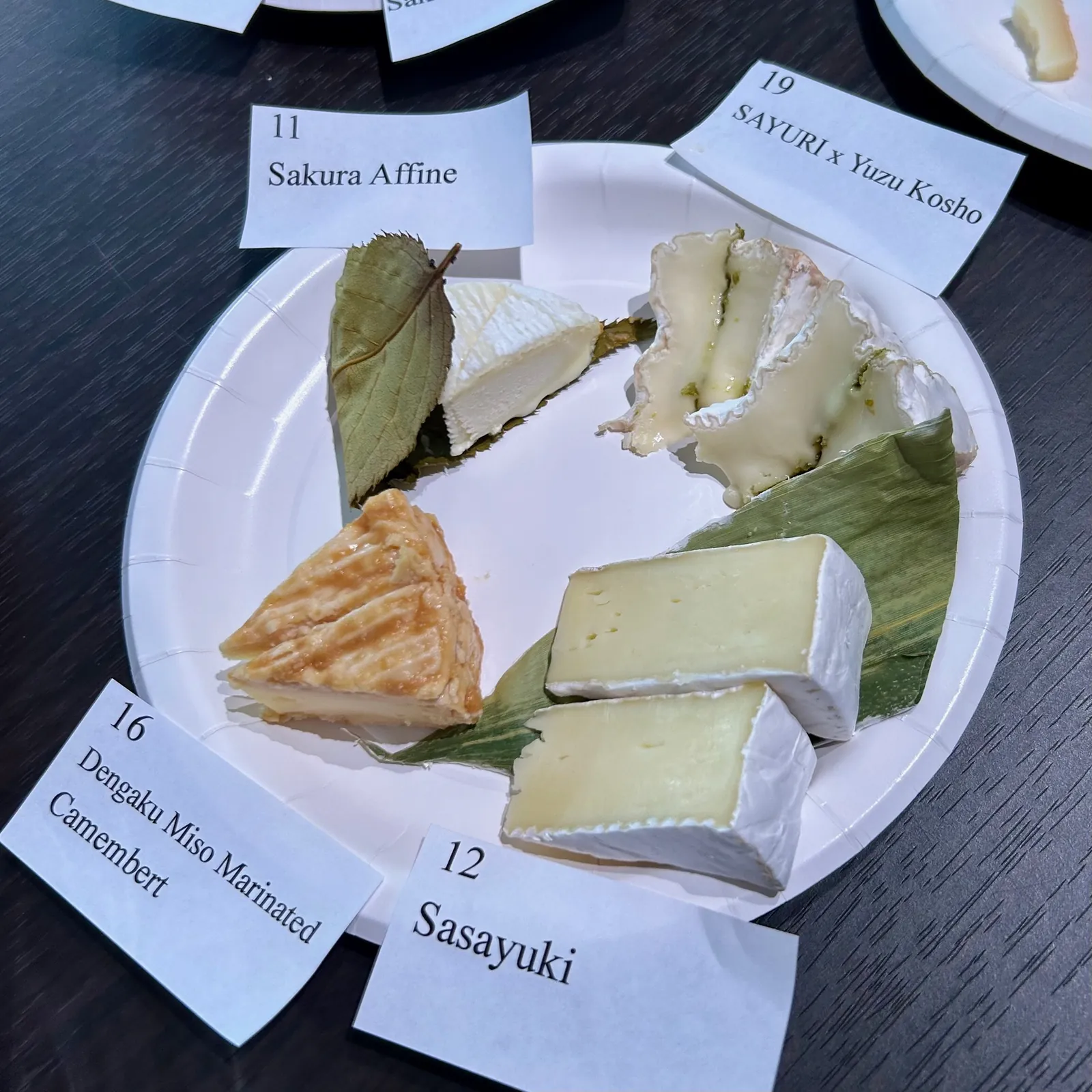
Japanese makers add local touches: cheese wrapped in shiso leaves, and a semi-hard cheese matured while marinating in red miso. Shintoku Farm in Hokkaido won gold at the Mountain Cheese Olympics in Switzerland in 2004 and 2007. Sakura cheese, a camembert-style cheese washed in local sake and wrapped in bamboo leaf, won a gold medal in the soft-cheese category there. Japanese palates, Culture notes, favor subtler French styles, nothing too sharp or too strong.
Korean cheese and Imsil
Korean cheese began in Imsil County in Jeollabuk-do. Korea.net reports that Belgian-born priest Didier t'Serstevens, known in Korea as Father Ji Jeong-hwan, arrived in 1959 and became provost of the Imsil church in 1964. He sold goat milk to help the village, used leftover milk to make cheese, succeeded on a small scale in 1966, opened Korea's first cheese plant in 1967, and began full-scale production and sales in 1969. He died on April 13, 2019, at age 88.
Korea's other big cheese use is in cooking, where melted cheese tops fried chicken, rice cakes and corn dogs. Those are mass-market melters rather than regional cheeses, but they are what most Koreans eat.
East Asian cheese: what to try first
East Asian cheese rewards a short tasting list. In the US, a Japanese cheesecake or cheese tart needs no hunt, while a Hokkaido camembert-style cheese shows up at larger cheese counters. For something traditional, order fried rushan if you visit Yunnan or find a Chinese restaurant that makes it, and buy aaruul from a Mongolian shop or market.
Pairings follow the local drink. Sake suits Japanese soft cheeses, tea suits aaruul, and the tea and cheese guide covers more.
Questions about East Asian cheese
These questions about East Asian cheese come up often.
Is cheese traditional in East Asia?
East Asian cheese is traditional only in a few places, mainly Yunnan, Mongolia and the Himalayas, while the rice-growing plains mostly adopted it in modern times.
What is rushan cheese?
Rushan cheese is a Yunnan cow's-milk cheese pulled into thin sheets, dried on bamboo sticks, then fried or grilled.
What is aaruul?
Aaruul is Mongolian dried curd made from boiled yogurt, pressed and dried in the sun.
Does Japan make its own cheese?
Japan makes its own cheese: about 170 artisanal makers work there, many in Hokkaido.
Who started cheese in Korea?
Korean cheese started with Father Ji Jeong-hwan, a Belgian priest who made Korea's first cheese in Imsil in 1966.
Where to start with East Asian cheese
To start with East Asian cheese, pick one country and one dish: fried rushan, a Hokkaido soft cheese, or a bowl of tea with aaruul.
Sources
- Rushan cheese, Wikipedia
- Rubing, Wikipedia
- Aaruul, Dried Curds, Amicus Mongolia
- Byaslag, Wikipedia
- World Cheese Culture: Japan, Culture: The Word on Cheese
- Belgian-born priest who became Korea's cheese pioneer dies, Korea.net
- Sakura cheese, Wikipedia
- Chhurpi, Wikipedia