
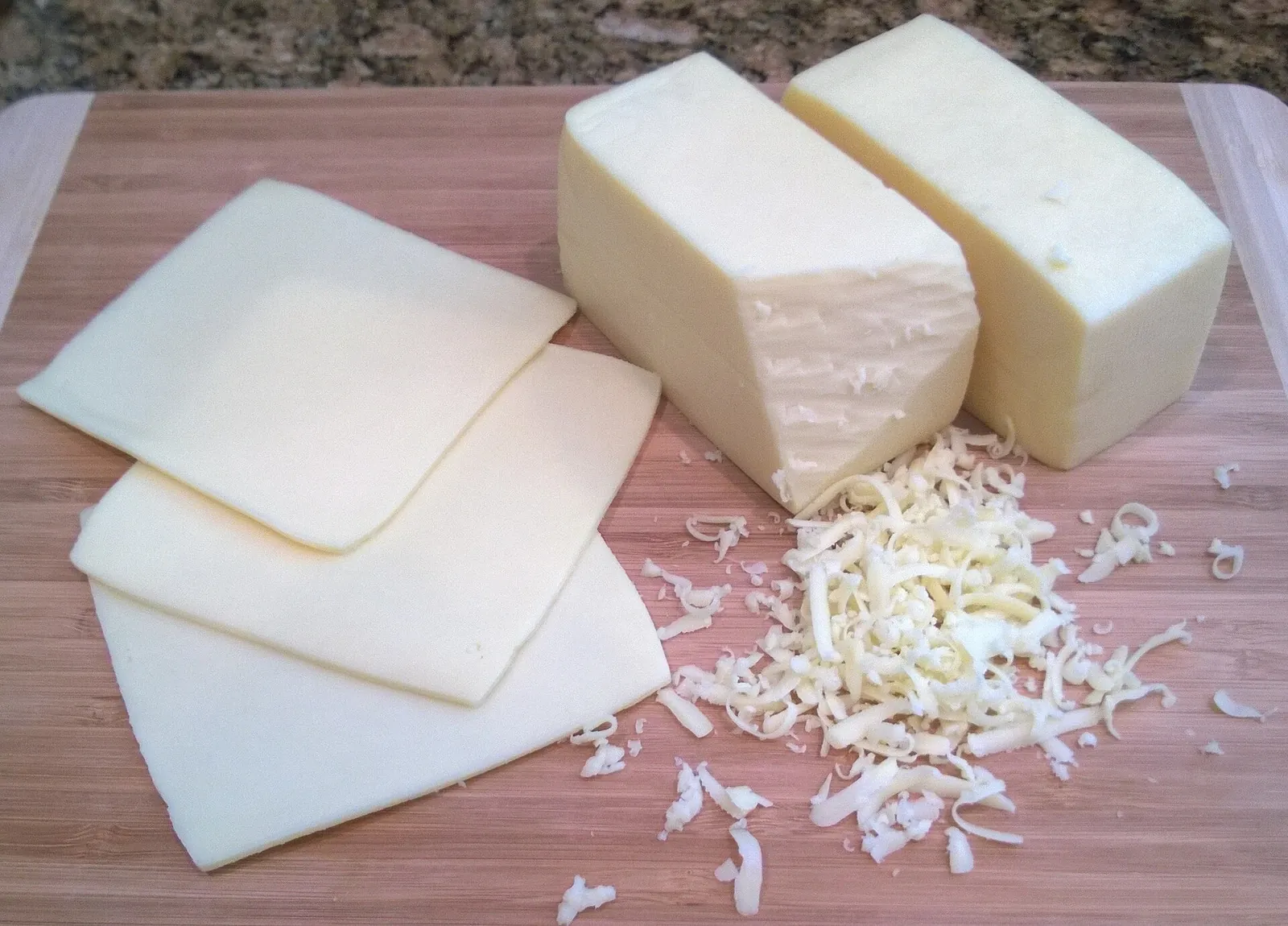
Its gentleness is the point. It ripens in about a month and has no sharp or funky edge, which makes it a favorite for children, for sandwiches and for anyone who wants cheese that stays out of the way. The German cheese guide covers where it fits among Germany's other cheeses.
Butterkäse at a glance
Here is Butterkäse at a glance, with the facts box on this page giving milk, texture and age.
| Detail | Butterkäse |
|---|---|
| Protected name | None |
| Milk | Cow's milk |
| Color | White to light yellow-orange |
| Fat | Around 50 percent, according to one cheese retailer |
| Flavor | Buttery, mild, milky, slightly salty or tangy |
| Forms | Loaf for slicing, sometimes smoked |
Origin of Butterkäse
Butterkäse comes from Germany and Austria, traditionally made in the south near the Swiss border, and it has no EU protected name. According to one account of the cheese, it first appeared in 1928 as a variant of Italian Bel Paese, though that account is thinly sourced, so treat the date as approximate. Wisconsin also makes Butterkäse, a legacy of German immigrants, as the Wisconsin Cheeseman explains.
Taste and texture of Butterkäse
Butterkäse has a creamy, smooth, open texture and a mild flavor that people often compare to American Muenster. It is sometimes soft enough to spread at room temperature. The flavor is buttery rather than sharp, with a faint salt or tang, and there is little rind character to speak of. Because it is so young, it does not change much in the fridge; it just gets a touch firmer.
How to buy Butterkäse in the US
Buying Butterkäse in the US is easiest at stores with a German or Wisconsin section, where it is usually sold as a rectangular loaf or sliced. Imported loaves come from Germany; Wisconsin makers also sell it. Pick a piece that is pale and supple, not dry or cracked at the edges. A smoked version exists if you want more flavor.
How to serve and cook with Butterkäse
Serve Butterkäse sliced, cold or at room temperature, with bread or crackers. It also melts without turning greasy, so it suits grilled cheese, mac and cheese, pizza and stuffed chicken, all uses the Wisconsin Cheeseman names. Use it where you would use Muenster, and add a sharper cheese when you want more flavor, because Butterkäse alone is very mild. For more melters, see best melting cheeses.
What to serve with Butterkäse
What to serve with Butterkäse is simple and slightly salty: soft pretzels, cold cuts and honey. Apple, pear and grape make good fruit partners. Pinot Blanc, Riesling or a Beaujolais suit the wine side, and Pilsner, Kölsch or wheat beer suit the beer side. The pairing guide has more.
Substitutes for Butterkäse
Substitutes for Butterkäse are other mild, supple melters. Havarti is the closest in feel, fontina is a little richer and Monterey Jack is the easy supermarket choice. Muenster also works. The substitute finder can help match a recipe.
Butterkäse mistakes to avoid
Butterkäse mistakes mostly come from expecting too much flavor. It is built to be mild, so a board with only Butterkäse can taste bland; pair it with something salty, sharp or sweet, such as cured ham, mustard, a good pickle or honey. When melting, use medium heat and add it near the end of cooking, since a very mild, young cheese loses its creamy texture if it is boiled hard. It also does not need long chilling before serving; a short rest at room temperature brings out the buttery taste that gives it its name.
What Butterkäse is made from
Butterkäse is made from cow's milk, and sources describe it as a young cheese ripened for roughly a month, though one reference says three to four weeks. That short ripening is why it stays pale, supple and gentle. Wisconsin makers follow the Alpine style, and the Wisconsin Cheeseman says the cheese is also called damenkäse, or ladies' cheese, because it is odorless and delicately flavored.
Butterkäse in a sandwich or on a board
Butterkäse in a sandwich is its easiest job: a few thin slices on rye with ham, mustard and a crisp pickle make a very German lunch. On a board it plays the mild role, sitting next to something with more attitude such as a sharper aged cheese, a smoked cheese or a washed-rind cheese. Cut it into thick slices or small cubes, add apple or grape slices and a few pretzel pieces, and it disappears quickly with children and adults alike.
How to store Butterkäse
Store Butterkäse wrapped in parchment or wax paper in a lidded container in the fridge, and finish it within a couple of weeks of opening. The storing cheese guide has more on wraps.
Questions about Butterkäse
These are common questions about Butterkäse.
What does Butterkäse taste like?
Butterkäse tastes mild, milky and buttery, with a faint saltiness or tang, and many people liken it to Muenster.
Does Butterkäse melt well?
Butterkäse melts smoothly, which is why it works in grilled cheese, mac and cheese and on pizza.
Is Butterkäse the same as Bel Paese?
Butterkäse is not the same as Bel Paese, though one account describes it as a variant of that Italian cheese. Both are mild, soft and buttery.
Is Butterkäse a protected cheese?
Butterkäse has no EU protected name, so any dairy may make and sell it under that name.
Try Butterkäse first
To try Butterkäse, buy a small loaf, slice some for a sandwich with ham and mustard and melt a few slices in a grilled cheese. If you want it to stand out, serve it with a soft pretzel and a crisp Pilsner.
Sources
- Butterkäse, Wikipedia
- Butterkäse: Wisconsin's Little-Known "Butter Cheese", Wisconsin Cheeseman
- German Cheeses: An Underrated Tradition, cheese.help