
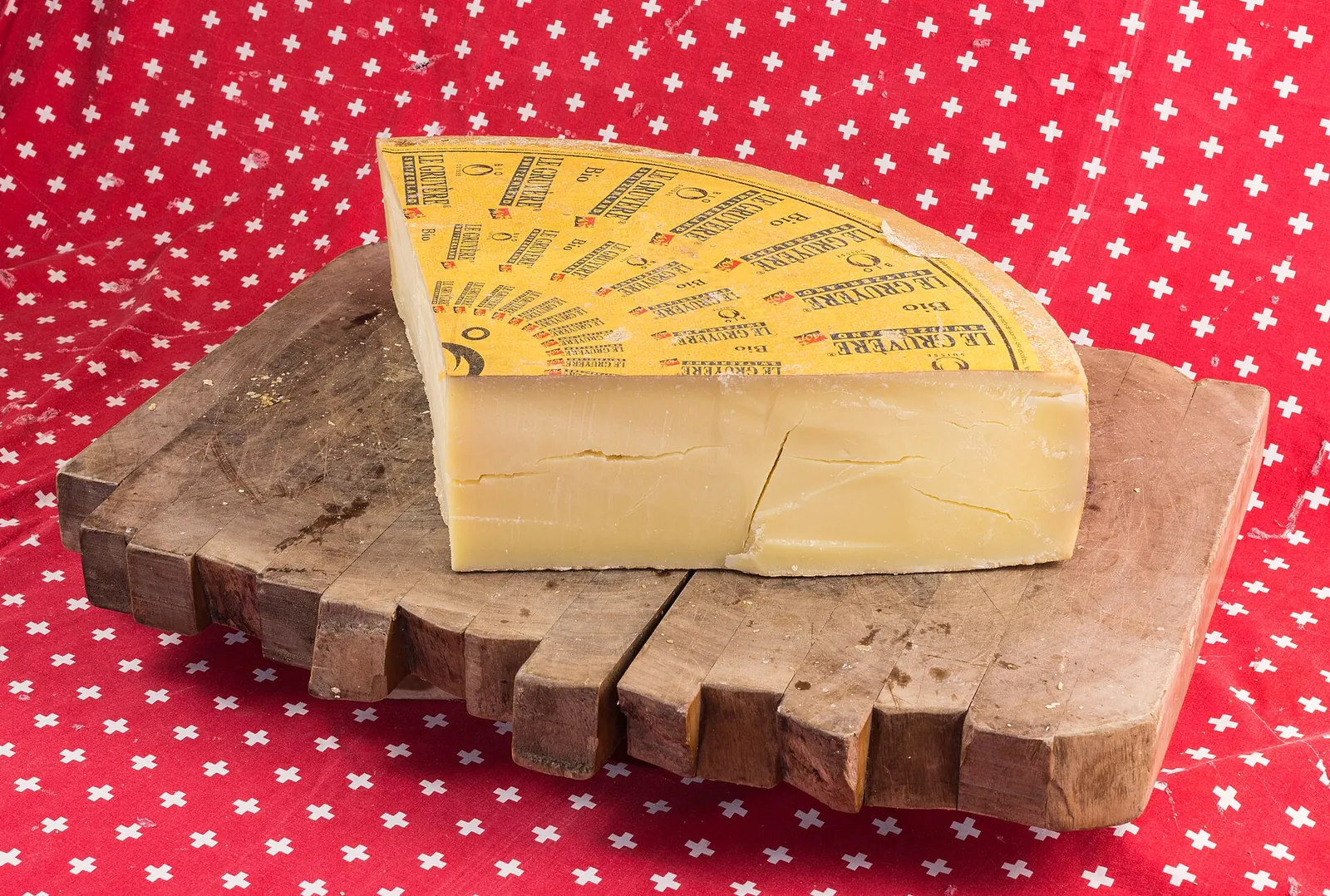
Hard cheeses made with pasteurized milk are the CDC's safer choice, and the cheeses to avoid are raw milk cheeses and unheated fresh soft cheeses such as queso fresco.
The reason is Listeria, a bacterium that can grow in the refrigerator and that pregnant women are far more likely to catch. A few small habits, mainly reading the label for "pasteurized," keep nearly all cheese on the table. This page is general information, not medical advice, so check your own case with your doctor.
Why cheese during pregnancy raises a Listeria question
Cheese during pregnancy raises a Listeria question because the CDC names pregnant women as a group at higher risk. Its food safety page for pregnant women says pregnant women are 10 times more likely to get a Listeria infection than other people.
Most cheese is no problem. Trouble comes from cheese made from milk that was never heated to kill bacteria, and from fresh soft cheeses that are moist and unaged, which give bacteria more room to live. Listeria also tolerates cold, so a cheese can be contaminated and still look and smell normal.
Cheeses that are safe during pregnancy
Cheeses that are safe during pregnancy are, in the CDC's wording, hard cheeses made with pasteurized milk. Its safer list names Asiago, cheddar, Parmesan and Swiss, Gruyère or Emmental, plus cottage cheese, cream cheese, string cheese, mozzarella and feta when they are made with pasteurized milk.
| Cheese | Pasteurized and unheated | Notes |
|---|---|---|
| Cheddar, Parmesan, Swiss, Gruyère, Gouda | Safer choice | Hard cheeses are the CDC's example |
| Mozzarella, string cheese | Safer choice | Check the label for pasteurized milk |
| Cottage cheese, cream cheese | Safer choice | Pasteurized versions only |
| Feta | Safer if labeled pasteurized | Raw milk feta is out |
| Queso fresco, queso blanco, requesón | Heat first | CDC lists unheated versions to avoid |
| Brie, Camembert, blue cheese | Pasteurized only, or cooked | Raw milk versions are out |
The word to look for is "pasteurized" on the package or in the ingredients, usually "pasteurized milk" or "pasteurized cow's milk." Processed cheese slices and shredded bags are normally made from pasteurized milk, but read the line rather than assume. The pasteurized vs. raw-milk cheese guide explains the label and the US aging rule.
Cheeses to avoid during pregnancy
Cheeses to avoid during pregnancy start with any cheese made from raw milk. The CDC's Listeria prevention page lists "any type of cheese when made with (raw) unpasteurized milk," and it makes no exception for age. A raw milk cheese may be legally sold after 60 days of aging, but the CDC's advice for pregnant women does not change for it.
The second group is unheated fresh soft cheese. The CDC lists unheated queso fresco-type cheeses, and names queso fresco, queso blanco and requesón, as foods to avoid, and says they are safer when heated to 165°F or until steaming hot. These cheeses are fresh, high in moisture and not aged, which is why pasteurized milk alone does not settle the matter for them.
For soft-ripened and blue cheeses, the FDA wording quoted in search results says to skip feta, Brie, Camembert, blue-veined cheese, queso blanco, queso fresco and panela unless they are made with pasteurized milk. Where a label says pasteurized and your doctor is comfortable with it, that is the line most US guidance draws. Guidance in other countries is stricter about soft-ripened cheese, so follow what your own provider says.
Cooked cheese during pregnancy
Cooked cheese during pregnancy opens the door to the cheeses you would otherwise pass. The CDC says pregnant women can choose pasteurized soft cheeses that are heated to an internal temperature of 165°F or until steaming hot, and it advises heating unheated deli-sliced cheese the same way.
In practice that means a baked Brie with bubbling center, queso fresco cooked into enchiladas or a hot skillet, and a pizza with thoroughly melted cheese. "Warm" is not enough: use a thermometer, or cook until the cheese is steaming throughout. Leftovers need the same care, since cooked cheese that cools and sits can pick up bacteria again. Cooking does not rescue a cheese you have reason to doubt, such as one with an unclear label.
What most pregnancy cheese advice gets wrong
Most pregnancy cheese advice repeats shortcuts that blur the real rule: that soft cheese is out, that aged means safe, and that pasteurized means every cheese is fine.
Soft is not the same as risky. Pasteurized mozzarella, cream cheese and cottage cheese are soft and are on the CDC's safer list. The test is the milk and the heat, not the texture.
Aged does not rescue raw milk. The 60-day US rule for raw milk cheese is a legal minimum, and the CDC's pregnancy advice still says to avoid raw milk cheese of any type.
Fresh Hispanic-style cheeses are the exception to "pasteurized is enough." The CDC singles out unheated queso fresco-type cheeses, so heat them even when the package says pasteurized. Listeria can enter after pasteurization, during handling, which is why fresh cheeses get extra care.
Deli counters deserve a second look. Sliced or cut-to-order cheese is handled more than a factory sealed block, and the CDC says to heat deli-sliced cheese. A sealed, labeled pasteurized block avoids the question.
Questions about cheese during pregnancy
These are short answers to common questions about cheese during pregnancy, based on CDC wording.
Can pregnant women eat cheddar or Parmesan?
Pregnant women can eat cheddar and Parmesan, which are safe during pregnancy when they are made with pasteurized milk, since the CDC names hard cheeses made with pasteurized milk as a safer choice. Check the label.
Is feta safe during pregnancy?
Feta is safe during pregnancy only when it is made with pasteurized milk, according to the FDA wording quoted in search results. Raw milk feta is on the avoid list.
Can you eat Brie or blue cheese while pregnant?
Brie and blue cheese are safe during pregnancy when they are pasteurized and cooked until steaming hot, which the CDC puts at 165°F. Eaten cold, they fall in the group the FDA says to skip unless pasteurized, so follow your provider.
Is queso fresco safe during pregnancy?
Queso fresco is safe during pregnancy only after it is heated to 165°F or until steaming hot. The CDC lists unheated queso fresco-type cheeses, including queso blanco and requesón, among foods to avoid.
Is cream cheese safe during pregnancy?
Cream cheese is safe during pregnancy when it is made with pasteurized milk, which nearly all store brands are. Check the label, and see the cream cheese guide for how it is made.
Is mozzarella safe during pregnancy?
Mozzarella is safe during pregnancy when it is made with pasteurized milk, and the CDC names it as a safer choice. Fresh mozzarella from a deli counter should be checked for pasteurized on the label.
Cheese during pregnancy: the short version
Cheese during pregnancy comes down to a short check at the store: pasteurized, hard or heated. Choose hard cheeses made with pasteurized milk for snacking, heat fresh soft cheeses and anything unclear until steaming hot, and leave raw milk cheese for later. For what hard cheese adds, see calcium in cheese and the cheese and sodium page. This page is general information, not medical advice.
Sources
- Safer Food Choices for Pregnant Women, Centers for Disease Control and Prevention
- Listeria prevention: key guidance, Centers for Disease Control and Prevention
- Fact or Fiction: Food Safety for Moms-to-Be, U.S. Food and Drug Administration