
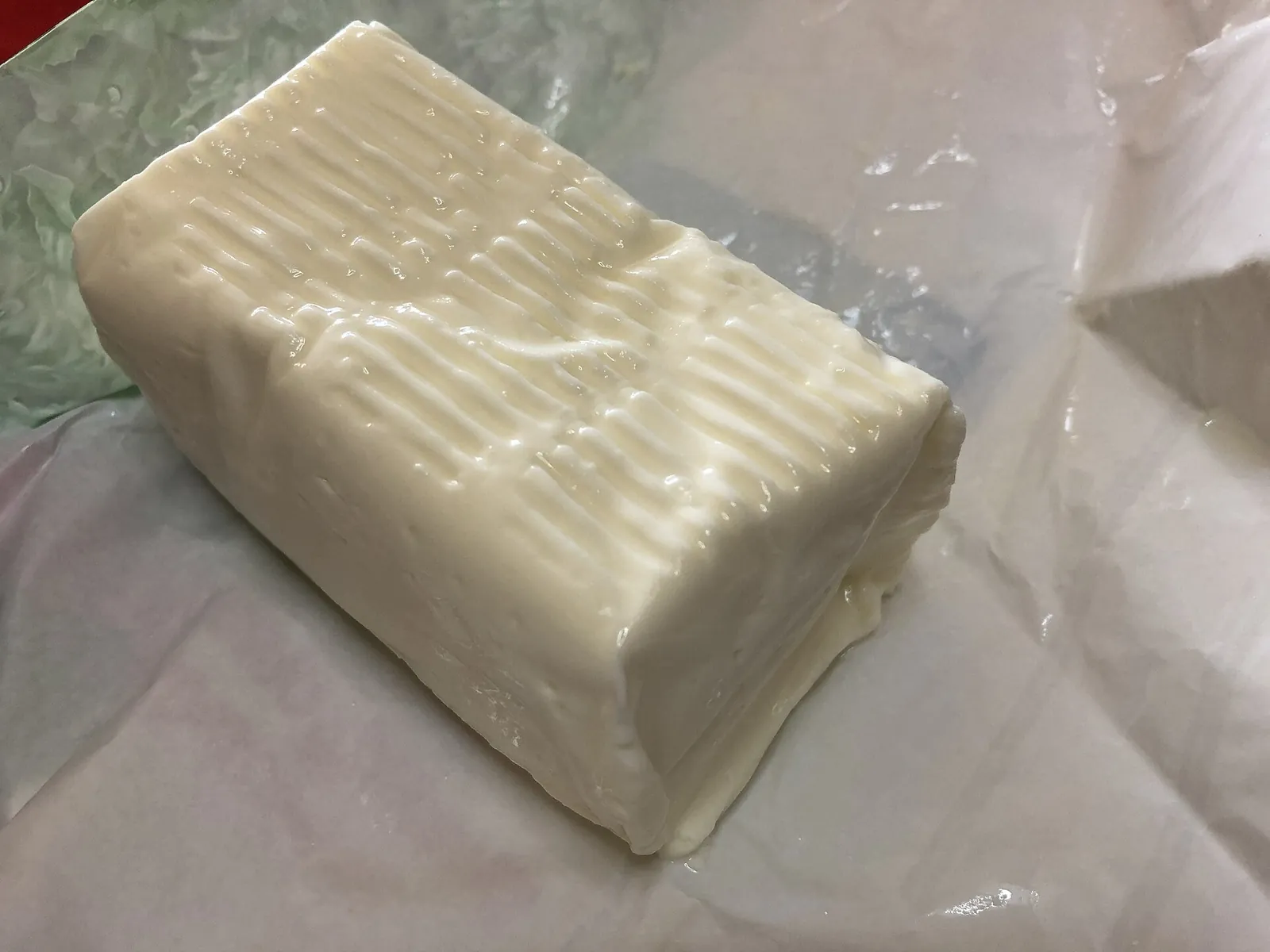
It tastes milky with a gentle tart edge, and it is eaten young.
The name is older than the fresh cheese. Stracchino comes from the dialect word for tired, and the tired ones were cows.
Stracchino cheese at a glance
Here is stracchino cheese at a glance, from the producers cited below.
| Detail | Stracchino |
|---|---|
| Milk | Cow |
| Style | Fresh, soft, rindless |
| Origin | Lombardy, northern Italy |
| Also sold as | Crescenza-stracchino (US) |
| Age | Fresh, eaten within days |
| Texture | Soft, spreadable, very creamy |
| Flavor | Milky, mildly tart, tangier with age |
Where stracchino cheese gets its name
Stracchino cheese takes its name from cows that were stracche, or tired, after coming down from their summer mountain pastures. Producer casArrigoni, in the Valtaleggio valley of Bergamo, gives this origin for the name. Cheesemakers there worked the milk of those tired cows, and the word later spread to a whole family of soft cheeses.
Today the name covers two things that taste quite different: the fresh, rindless style described here, and aged stracchino types such as Stracchino di Vedeseta, which carry a rough, pale rind and an intense flavor after at least 35 days. The washed-rind relative has its own page, Taleggio, and the Italian cheese guide places both in context.
How stracchino cheese is made
Stracchino cheese is made in the simplest way a cheese can be: warm whole milk is set with rennet and cultures, the soft curd is cut, and it drains in molds with little pressing. There is no brine soak or long ripening, which is why it stays so moist and tender. It sets up without a rind, so the whole block is edible.
What stracchino cheese tastes like
Stracchino cheese tastes milky and tart when it is fresh, and it gets softer, more spreadable and tangier as it ages, according to one US producer, BelGioioso. The texture is closer to thick cream than to a sliceable cheese. It is mild enough for children and still interesting enough for a plate with honey.
How to buy stracchino cheese in the US
Buying stracchino cheese in the US usually means looking for crescenza-stracchino, since that is the label on the domestic version. BelGioioso sells it as a rindless white cheese in small wheels from whole cow's milk. Check the sell-by date and buy the soft, glossy block in the refrigerated specialty case, and choose a younger one if you want sweetness or an older one for more tang.
If you are pregnant, check the label for pasteurized milk, since FDA guidance says to avoid cheese made with unpasteurized milk.
How to use stracchino cheese
Using stracchino cheese is mostly about its spread. Serve it thick on warm focaccia, the classic partner, or dollop it onto bruschetta with a drizzle of olive oil. It also melts well onto pizza and sandwiches, and BelGioioso suggests baked cheesecakes.
Take it out of the fridge 20 minutes before serving so it loosens. For a flatbread, add it in the last minutes of baking; it melts quickly and turns soupy if it cooks too long.
What to serve with stracchino cheese
What to serve with stracchino cheese is simple: sweet fruit, honey and a crisp, light drink. The pairing guide covers other cheeses. Fig, pear and grapes suit its creaminess, and focaccia, honey and olive oil finish a plate.
For wine, Pinot Grigio, Prosecco or Soave keep it fresh. For beer, a pilsner, wheat beer or Kolsch works.
Substitutes for stracchino cheese
The closest substitutes for stracchino cheese are other soft, mild, creamy cheeses; the substitute finder lists more. Mascarpone is richer and sweeter, ricotta is lighter and grainier, and burrata brings similar creaminess with a stretched-curd shell. For spreading, mascarpone loosened with a spoon of milk or yogurt is nearest. For melting on pizza, burrata or fresh mozzarella works.
How to store stracchino cheese
Store stracchino cheese in the fridge in its original wrapping and finish it within a few days of opening. It has no rind to protect it, so it picks up fridge smells and spoils faster than aged cheese. If it smells sour or turns slimy, discard it. The storing cheese guide covers soft styles in more detail.
What most stracchino cheese advice gets wrong
Most stracchino cheese advice treats it as one cheese, but the name covers fresh and aged styles. A cheese called stracchino in Italy may be a fresh spread or a rind-ripened wheel, and the rindless crescenza-stracchino in a US case is the fresh kind. Another mistake is serving it ice cold, which mutes its sweetness and makes it stiff.
Questions about stracchino cheese
These are the questions about stracchino cheese that come up most.
What is stracchino cheese?
Stracchino cheese is a soft, rindless Italian fresh cheese made from cow's milk. It is mild, milky and spreadable.
Is stracchino the same as crescenza?
Stracchino and crescenza are the same style of fresh cheese, and US producers such as BelGioioso sell it as crescenza-stracchino.
What does stracchino mean?
Stracchino comes from the word stracche, meaning tired, for cows returning from mountain pastures, according to the casArrigoni cheesemakers.
What can stand in for stracchino?
Stracchino can be replaced with mascarpone, ricotta or burrata, depending on whether you want to spread, fill or melt it.
Stracchino cheese in a simple recipe
Stracchino cheese turns a plain flatbread into a meal with almost no work. Spread a thin layer of olive oil on a rolled-out dough, bake it until the edges set, then dot it with spoonfuls of stracchino and return it to the oven for a few minutes. Finish with black pepper, a little more oil and, if you like, arugula or prosciutto added after baking.
The same dollops work on toast with sliced pears, or stirred warm into pasta with a splash of the cooking water to make a quick, creamy sauce.
Your first stracchino cheese
For your first stracchino cheese, buy one crescenza-stracchino block, spread it thick on warm focaccia, and add honey or a fig. Eat it within a few days.
Sources
- Stracchino di Vedeseta, casArrigoni
- Crescenza-Stracchino Cheese, BelGioioso Cheese
- Listeria (Food Safety for Moms-to-Be), U.S. Food and Drug Administration